Cart
0
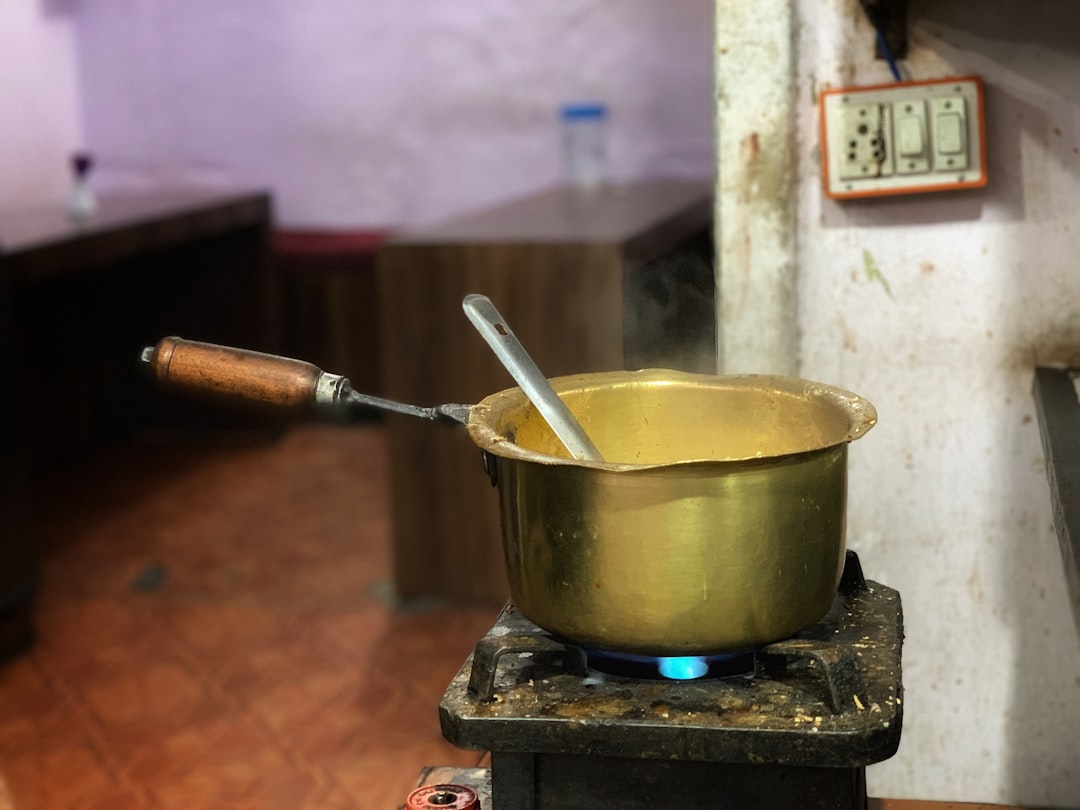
Induction Cooktops vs Gas Stoves: Which is Better for Your Indian Kitchen in 2025?
Choosing between induction cooktops and traditional gas stoves is a pivotal decision for any Indian kitchen in 2025. This guide unpacks their pros and cons across technology, efficiency, safety, and more to help you find the perfect fit.
Key Takeaways
- Induction cooktops offer superior energy efficiency, safety features, and faster cooking, making them ideal for urban and eco-conscious households.
- Gas stoves excel in traditional flame-based cooking and are better suited for large families or areas with frequent power outages.
- Cookware compatibility is a significant factor; induction requires magnetic-based pots, whereas gas supports all types.
- Hybrid kitchen setups combine both technologies for maximum versatility and backup options.
- Environmental benefits and government incentives increasingly favor induction cooktops in India’s sustainability landscape.
Table of Contents
- 1. Understanding the Technology: Induction Cooktops vs Gas Stoves
- 2. Energy Efficiency: Why Induction Comes Out Ahead
- 3. Safety and Convenience: Induction for a Safer Kitchen
- 4. Cookware Compatibility: What You Need to Know
- 5. Cost and Installation: Looking at the Big Picture
- 6. Performance and Usage: Tailoring to Your Cooking Habits
- 7. Maintenance and Cleaning: Ease of Use Matters
- 8. Who Should Choose Induction Cooktops?
- 9. Who Should Stick to Gas Stoves?
- 10. Hybrid Kitchen Solutions: Best of Both Worlds
- 11. Environmental and Policy Impacts: Induction as a Forward-Looking Choice
- 12. Final Thoughts: Making the Right Choice for Your Kitchen
1. Understanding the Technology: Induction Cooktops vs Gas Stoves
At the core, the main difference lies in how heat is produced:
- Induction cooktops use electromagnetic coils underneath a smooth glass surface to induce heat directly in compatible cookware. This leads to fast heating and less wasted energy.
- Gas stoves produce an open flame fueled by LPG or Piped Natural Gas (PNG), heating cookware through direct contact. The flame’s visual feedback makes controlling heat easier but wastes more energy.
This fundamental difference impacts cooking speed, energy consumption, maintenance, and kitchen comfort.
2. Energy Efficiency: Why Induction Comes Out Ahead
Induction cooktops convert approximately 84–90% of energy into useful cooking heat, while gas stoves convert only 32–55%, losing much energy as ambient heat or inefficient flames. This translates to:
- Faster cooking times—boiling water takes around 5.8 seconds on induction vs 8.3 seconds on gas.
- Lower household energy bills and cooler kitchens, a boon in India’s warm climate.
- Reduced carbon emissions: induction emits about 0.29 lbs of CO₂ per boil, compared to 1.16 lbs for gas.
Explore detailed statistics at Fotile Global and LeafScore.
3. Safety and Convenience: Induction for a Safer Kitchen
Safety is critical for all households, especially those with children and elders:
- Induction cooktops remain cool on the surface, reducing burn risks significantly.
- Features like auto shut-off, child-lock, and overheat protection add extra safety layers.
- Gas stoves come with the danger of open flames and gas leaks, potentially causing fires or respiratory issues due to pollutants like nitrogen dioxide.
- Gas appliances need diligent maintenance to avoid hazards from faulty connections or blocked burners.
For a safe, family-friendly environment, induction is often the better choice. More insights at Breville and Fotile Global.
4. Cookware Compatibility: What You Need to Know
Cookware compatibility is a major factor in transitioning to induction:
- Induction requires pots and pans with a magnetic base (e.g., cast iron, enameled steel, select stainless steel).
- Popular materials in Indian kitchens such as aluminum, copper, brass, or glass don’t work unless adapted with induction-friendly plates.
- This may imply an upfront investment in new cookware when switching to induction.
- In contrast, gas stoves support all cookware types commonly used across Indian cooking styles, including traditional tavas, kadhai, and pressure cookers.
To test, simply hold a magnet to your cookware base—if it sticks, it’s induction-compatible. Learn more from Breville’s cookware guide.
5. Cost and Installation: Looking at the Big Picture
Consider both upfront expenses and long-term savings:
- Gas stoves tend to be cheaper initially and fit seamlessly into kitchens with LPG or PNG connections.
- Induction cooktops cost more upfront due to advanced tech and features.
- However, induction saves money over time through lower energy consumption and faster cooking.
- Installation requires sufficient electrical support—usually 220–240V in India.
- Maintenance is simpler with induction: its glass surface wipes clean easily, while gas stoves demand regular burner and grate upkeep.
6. Performance and Usage: Tailoring to Your Cooking Habits
Induction Cooktops
- Offer precise, quick, and energy-efficient heating, excellent for simmering sauces and boiling water rapidly.
- Can cook up to 40% faster than gas stoves.
- The modern, sleek glass-ceramic design adds a stylish touch to your kitchen.
- Ideal for tasks like sautéing, quick pressure cooking, and using preset modes for Indian dishes.
Gas Stoves
- Best for traditional flame-based techniques such as tadka and roasting, where flame visibility and control are key.
- Perform well for dishes needing direct flame exposure, including puffing rotis and roasting baingan.
- Operate reliably during power outages, common in many Indian regions.
- Designed for heavy-duty daily cooking, suitable for large family meals.
7. Maintenance and Cleaning: Ease of Use Matters
Maintenance affects convenience and kitchen hygiene:
- Induction cooktops boast a flat glass surface that resists spills and food sticking, reducing cleanup time.
- Gas stoves require diligent cleaning of grates, burners, and drip trays to maintain flame quality and performance.
Busy cooks often favour induction for its hassle-free upkeep.
Celebrate the season with savings — get 5% off your order using code EXCLUSIVE5 at checkout
8. Who Should Choose Induction Cooktops?
- Urban professionals and couples wanting fast cooking, smart features, and modern aesthetics.
- Eco-conscious families aiming to reduce energy consumption and carbon footprint.
- Households prioritizing safety, such as those with children or elderly members.
- Users interested in smart kitchen trends and preset Indian cooking modes like dosa, chapati, dal, and curry.
- Homes with stable electricity supply where long-term savings justify the investment.
Brands like TTK Prestige offer everything from compact 1600W models to high-end dual burners featuring touchscreen controls and Indian cuisine presets.
9. Who Should Stick to Gas Stoves?
- Larger families needing robust flame cooking capacity for multi-course meals.
- Rural or semi-urban homes where electricity is unreliable or costly.
- Cooks who prefer manual flame control for sensory feedback and complex Indian cooking techniques.
- Those with existing non-magnetic cookware and no intention to upgrade.
Prestige’s gas stoves such as the Prestige Svachh Neo combine durability with user-friendly features like liftable burners and toughened glass tops, ideal for everyday Indian cooking.
10. Hybrid Kitchen Solutions: Best of Both Worlds
Hybrid kitchens featuring both gas and induction appliances offer maximum flexibility:
- Use gas for roti making, roasting, and flame-dependent techniques.
- Rely on induction for fast, everyday cooking with easy cleanup.
- Benefit from backup options during electricity or gas interruptions.
Brands like Fotile and Prestige now offer hybrid models tailored for Indian kitchens.
11. Environmental and Policy Impacts: Induction as a Forward-Looking Choice
Choosing induction aligns closely with India’s environmental goals:
- Reduces reliance on LPG, supporting government initiatives like Pradhan Mantri Ujjwala Yojana.
- Emits no indoor air pollutants, improving household air quality and health.
- Works well with rooftop solar panels and inverter systems for increased efficiency.
- Cities may offer rebates and tax incentives for electric appliance adoption.
For long-term eco and economic benefits, induction offers a sustainable pathway forward.
12. Final Thoughts: Making the Right Choice for Your Kitchen
The ideal stove comes down to your household’s unique needs:
- Choose induction for speed, safety, energy savings, and modern features if you live in an urban setting with good power supply.
- Stick with gas if you value traditional open-flame cooking, need non-magnetic cookware compatibility, or live in areas with unstable electricity.
- Consider a hybrid kitchen to enjoy the advantages of both technologies and ensure uninterrupted cooking.
Think about family size, cooking style, budget, and local infrastructure when deciding. Armed with this knowledge, you’re ready to build a kitchen that’s efficient, safe, and tailored to your every meal to come.
“Switching to induction transformed my kitchen experience — faster cooking, easier cleaning, and peace of mind with safety.” – Ritu K., Mumbai
Explore comprehensive appliance options and expert buying advice at Homenkitchenshop, India’s hub for smart and stylish kitchens.
FAQ
Q1: Are induction cooktops safe for children?
Yes. Induction cooktops remain cool to touch with no open flames, plus many models include child-lock and auto shut-off features, making them one of the safest options in kitchens with kids.
Q2: Can I use my existing cookware on an induction stove?
Only if the cookware base is magnetic. You can test this with a magnet. Common induction-compatible materials include cast iron and certain stainless steels. Aluminum, copper, and glass typically won’t work without an induction-friendly base adapter.
Q3: What happens during a power outage with an induction cooktop?
Induction cooktops rely on electricity, so they won’t work during power cuts. A gas stove or hybrid setup can act as a dependable backup in such situations.
Q4: Are induction cooktops more expensive in the long run?
Though induction cooktops cost more upfront, their superior energy efficiency and faster cooking can lead to savings on electricity bills, making them cost-effective over time, especially in homes with reliable power.
Q5: How do I maintain and clean an induction stove?
Induction stoves are easy to clean thanks to their smooth glass surfaces. Simply wipe spills immediately with a damp cloth. Avoid abrasive cleaners to maintain the surface shine.