Cart
0
How to Create a Cozy and Functional Dining Room in 2026
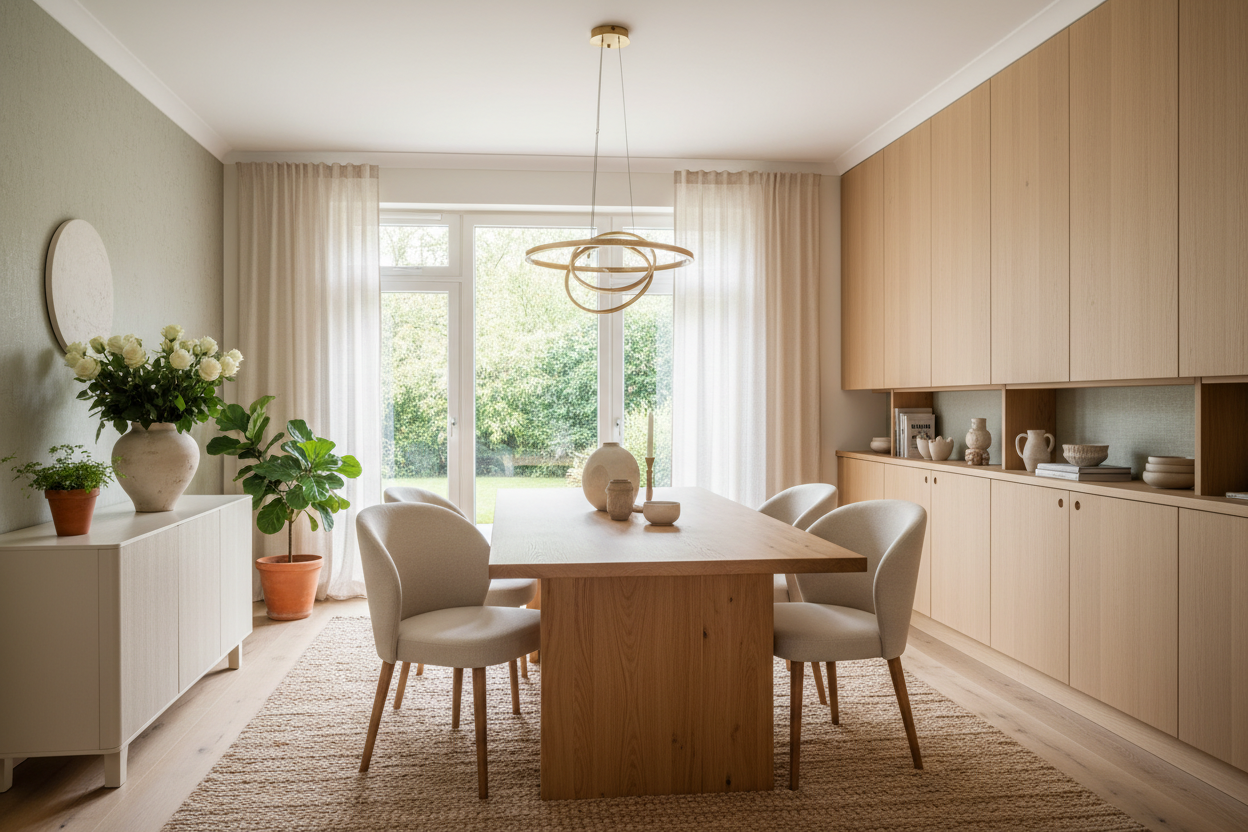
The dining room is evolving in 2026 into a warm, multifunctional space where comfort meets style. By combining thoughtful furniture, welcoming color palettes, layered lighting, and smart layout, you can transform your dining area into a cozy hub for connection and everyday enjoyment.
Key Takeaways
- Choose comfortable, upholstered seating with performance fabrics like Crypton for durability and style.
- Embrace warm, earthy color palettes such as burgundy, terracotta, and sage green to cultivate coziness.
- Use layered lighting with dimmers, chandeliers, sconces, and candles to create adaptable ambiance.
- Incorporate mixed textures and architectural features to add warmth and character.
- Design layouts with ample clearance to ensure comfort and easy movement.
- Integrate smart storage solutions to keep the space organized and functional.
- Personalize with art, heirlooms, and seasonal decor to make your dining room inviting and unique.
Table of Contents
- 1. Selecting Comfortable Seating and Dining Room Furniture
- 2. Embracing Warm Color Palettes
- 3. Layered Lighting for Inviting Ambiance
- 4. Furniture Style and Layout Tips
- 5. Highlighting Architectural Features and Creating Dining Zones
- 6. Smart Storage Solutions
- 7. Adding Textural Layers for Warmth
- 8. Personal and Decorative Touches
- 9. Practical Design for Family and Multi-Use Spaces
- FAQ
1. Selecting Comfortable Seating and Dining Room Furniture
Comfort is essential to make your dining room a place where everyone wants to linger. Upholstered chairs with cushy padding, especially those using high-performance Crypton fabrics, blend softness with durability and stain resistance—ideal for busy families or frequent entertaining.
Banquettes add cozy nooks, maximizing space with easy-to-clean upholstery while helping to define dining zones in open floor plans. Mixing vintage antiques and modern pieces, such as sculptural acrylic tables and mismatched chairs, creates a personalized collected-over-time feel.
Ensure good posture and movement by leaving 36 to 48 inches of clearance around tables. This not only boosts comfort but also enhances the room’s flow. Choosing ergonomic, upholstered seating invites longer stays filled with connection and comfort.
2. Embracing Warm Color Palettes
Warm, earthy colors are central to 2026’s cozy dining room aesthetic. Shades like deep burgundy, terracotta, sage green, ochre, russet red, and olive green evoke comfort and encourage guests to settle in.
Rich, moody colors add depth and enclosure, perfect for creating an intimate dining cocoon. These hues work beautifully when balanced with creams, soft whites, or light beiges to keep the room inviting instead of heavy or dark.
Use these colors on walls, upholstery, rugs, or decorative accents to cultivate a warm sanctuary where appetite and conversation thrive. Explore more on 2026 color trends here.
3. Layered Lighting for Inviting Ambiance
Lighting shapes the atmosphere, and 2026 dining rooms employ layered lighting to create versatile moods. Use pendant or chandelier lights centered over the table to provide focused illumination and visual drama.
Complement these with wall sconces, floor lamps, and accent lights to spread a warm glow without harsh shadows. Candles add softness and flickering warmth, perfect for intimate occasions.
Select bulbs in the 2700K–3000K range for cozy, inviting light and install dimmers so you can easily adjust brightness throughout the day. Discover in-depth lighting ideas here.
4. Furniture Style and Layout Tips
A balanced furniture style and layout are crucial for both aesthetics and functionality. Mix mid-century modern, rustic, and vintage pieces for a curated, warm ambiance. Sculptural tables and mismatched chairs add visual interest and character.
Plan for at least 36 to 48 inches clearance around your table to ensure smooth traffic and comfortable seating. Use large rugs to anchor your dining zone, especially in open-plan homes, creating distinct, welcoming areas.
Choose tables with unique shapes or materials to serve as statement pieces that bring artistry and personality to your space. For practical and aesthetic inspiration, see more tips here.
5. Highlighting Architectural Features and Creating Dining Zones
Celebrate your home's original architectural details like exposed beams, moldings, and built-ins. Highlight these with subtle wall treatments or directional lighting to give your dining room charm and personality without overwhelming the space.
In open layouts, use rugs, wallpaper accents, or lighting variations to visually separate the dining area. Built-in banquettes not only add seating but also architectural interest, making efficient use of limited space.
Mirrors strategically placed enhance natural light and create an illusion of a larger, brighter dining space. Learn more about integrating architectural features here.
6. Smart Storage Solutions
Keep your dining room functional and clutter-free with smart storage. Antique sideboards and hutches add vintage charm while providing ample space for china and glassware.
Custom cabinetry tailors storage to your layout, preserving clean lines. Multi-purpose furniture like benches with hidden compartments or tables with drawers maximizes efficiency without sacrificing style.
Open shelving or glass-front cabinets both showcase heirlooms and keep essentials within easy reach during entertaining. For practical options and ideas, check out this guide.
7. Adding Textural Layers for Warmth
Layering textures creates a cozy, lived-in vibe that invites guests to settle in. Soft wool or natural fiber rugs provide tactile warmth underfoot, anchoring the space.
Incorporate textured curtains, table linens, and plush cushions to add softness and comfort. Organic materials like rattan, wood, and baskets contribute warmth and visual interest.
Mix upholstery materials such as velvet, leather, and cotton across seating for inviting contrasts without clutter. Explore layering tips further here.
8. Personal and Decorative Touches
Add soul to your dining room by showcasing cherished personal items that spark memories and conversation—think family photos, heirlooms, or souvenirs.
Create impactful focal points with large-scale artwork or oversized vases. Use mirrors to amplify natural and artificial light, adding depth and brightness.
Keep your space fresh and engaging with seasonal centerpieces or rotating wall decor, making your dining room a dynamic and inviting environment year-round.
9. Practical Dining Room Design for Family Lifestyle and Multi-Use Spaces
Modern dining rooms often double as homework stations, casual lounging, or workspace. Prioritize fabrics like Crypton that withstand stains and are easy to clean.
Add layers of cushions and throws to increase comfort during extended use. Flexible, movable furniture supports shifting family needs without sacrificing style.
Design with ergonomics in mind to keep the space functional and comfortable across different activities. This balance turns your dining room into a versatile heart of the home.
FAQ
How do I choose the best color palette for a cozy dining room?
Opt for warm, earthy tones such as burgundy, terracotta, sage, or ochre. Balance darker colors with lighter creams or soft whites to avoid heaviness and create a welcoming atmosphere.
What type of seating is best for comfort and durability?
Upholstered chairs with cushioned padding in performance fabrics like Crypton combine comfort with stain resistance, making them ideal for everyday family use.
How can I layer lighting effectively in my dining room?
Use a combination of overhead chandeliers or pendants, wall sconces, floor lamps, and candlelight. Include dimmers to control brightness and create adaptable mood settings.
What are practical storage solutions for small dining rooms?
Consider built-in cabinetry, sideboards, benches with hidden compartments, and open shelving or glass-front cabinets to maximize storage without cluttering the space.
How can I create distinct dining zones in open floor plans?
Use rugs to anchor the dining area, add wallpaper or painted accent walls, install lighting variations, and incorporate built-in banquettes or furniture groupings to visually define the space.