Cart
0

Investing in quality kitchenware is essential for any home chef aiming to enhance their cooking experience, reduce replacements, and embrace eco-friendly choices in 2025. This guide explores durable materials, ergonomic features, maintenance tips, and how to select the perfect cookware and utensils tailored to your needs and budget.
Title
Investing in Quality Kitchenware: How to Choose Durable Cookware and Utensils in 2025
Key Takeaways
- Premium kitchenware offers superior durability, safety, and cooking performance, justifying the upfront investment.
- Material choice—stainless steel, cast iron, copper, or non-stick—affects heat distribution, maintenance, and longevity.
- Ergonomic designs featuring comfortable handles and heat resistance reduce fatigue and kitchen accidents.
- Proper utensil selection protects cookware surfaces; silicone and nylon are best for non-stick pans, while metal suits cast iron and stainless steel.
- Eco-friendly materials like bamboo, FSC-certified wood, and recyclable metals support sustainability in kitchenware.
- Effective maintenance and storage extend the lifespan of your cookware and utensils significantly.
Table of Contents
- 1. Why Premium Kitchenware Saves You Money in the Long Run
- 2. Choosing the Best Kitchenware Materials for Durability and Performance
- 3. Ergonomic Design: How Comfort and Safety Are Essential in Kitchen Tools
- 4. Heat Resistance and Material Compatibility: Safe Practices for Your Cookware
- 5. Maintenance Essentials: How to Extend the Lifespan of Your Kitchenware
- 6. Kitchen Utensil Sets in 2025: Identifying the Perfect Match for You
- 7. Cutting-Edge Storage and Organization Solutions for Your Kitchenware
- 8. Sustainability in Kitchenware: Embracing Eco-Conscious Choices
- 9. Proven Strategies for Maximizing Your Kitchenware Investment
- Conclusion: Elevating Your Kitchen with Premium Cookware in 2025
1. Why Premium Kitchenware Saves You Money in the Long Run
While quality kitchenware may have a higher initial price, the benefits far outweigh the cost over time. Budget options often require frequent replacement, risk warping or breaking, and can even compromise cooking safety.
The Advantages of Premium Kitchenware:
- Durability: Heavy-gauge stainless steel, cast iron, and copper resist wear and deformation.
- Performance: Ensure even heat distribution and precise temperature control for better cooking outcomes.
- Comfort and Safety: Ergonomic handle designs reduce hand strain and improve kitchen safety.
- Longevity: With proper maintenance, premium kitchenware retains function and appearance for years.
Choosing premium products leads to reduced waste and a superior cooking experience, ultimately saving money and frustration.
2. Choosing the Best Kitchenware Materials for Durability and Performance
The choice of material largely defines your cookware and utensils' heat handling, durability, and care requirements. Here are the leading materials to consider:
Stainless Steel: A Timeless Favorite
- Durability: Resistant to rust and scratching.
- Performance: Aluminum or copper cores promote even heating.
- Maintenance: Dishwasher safe with occasional polishing recommended.
Cast Iron: The Heavyweight Champion
- Durability: Nearly indestructible when seasoned properly.
- Performance: Superior heat retention and consistent cooking surface.
- Maintenance: Requires seasoning and handwashing to avoid rust.
Copper: Unmatched Heat Control
- Durability: Tarnishes but can be polished frequently.
- Performance: Rapid temperature changes for precise cooking.
- Maintenance: Requires more upkeep; often lined with stainless steel.
Non-Stick Coatings: Convenient but Not Eternal
- Durability: Coatings wear over time and need eventual replacement.
- Performance: Ideal for low-fat cooking and effortless cleanup.
- Maintenance: Requires gentle cleaning to preserve coating.
For utensils, silicone and nylon heads offer excellent heat resistance and protect non-stick surfaces, making them preferred choices in premium sets.
3. Ergonomic Design: How Comfort and Safety Are Essential in Kitchen Tools
Comfort translates to longer, more enjoyable cooking sessions with fewer risks of strain or accidents. Ergonomics should be a fundamental criterion when selecting your kitchenware.
Key Aspects of Ergonomic Kitchenware:
- Well-Balanced Handles: Reduce wrist fatigue and improve control.
- Non-Slip Grip: Heat-resistant silicones enhance grip, preventing slips even with oily hands.
- Handle Shape and Size: Should fit comfortably in your hand for secure use.
- Heat Resistance: Materials like phenolic plastic, silicone, or wood prevent burns.
Leading examples include the Anolon SureGrip utensil set, which combines ergonomic handles with heat-resistant heads, and Caraway’s cookware, which emphasizes both function and design sophistication.
4. Heat Resistance and Material Compatibility: Safe Practices for Your Cookware
Choosing the right utensils to match your cookware surface is vital for safety and longevity.
Heat Tolerance of Common Utensil Materials:
- Silicone: Resistant up to 316°C (600°F), perfect for high-heat use.
- Nylon: Withstands approx. 200°C (392°F), but avoid direct flames.
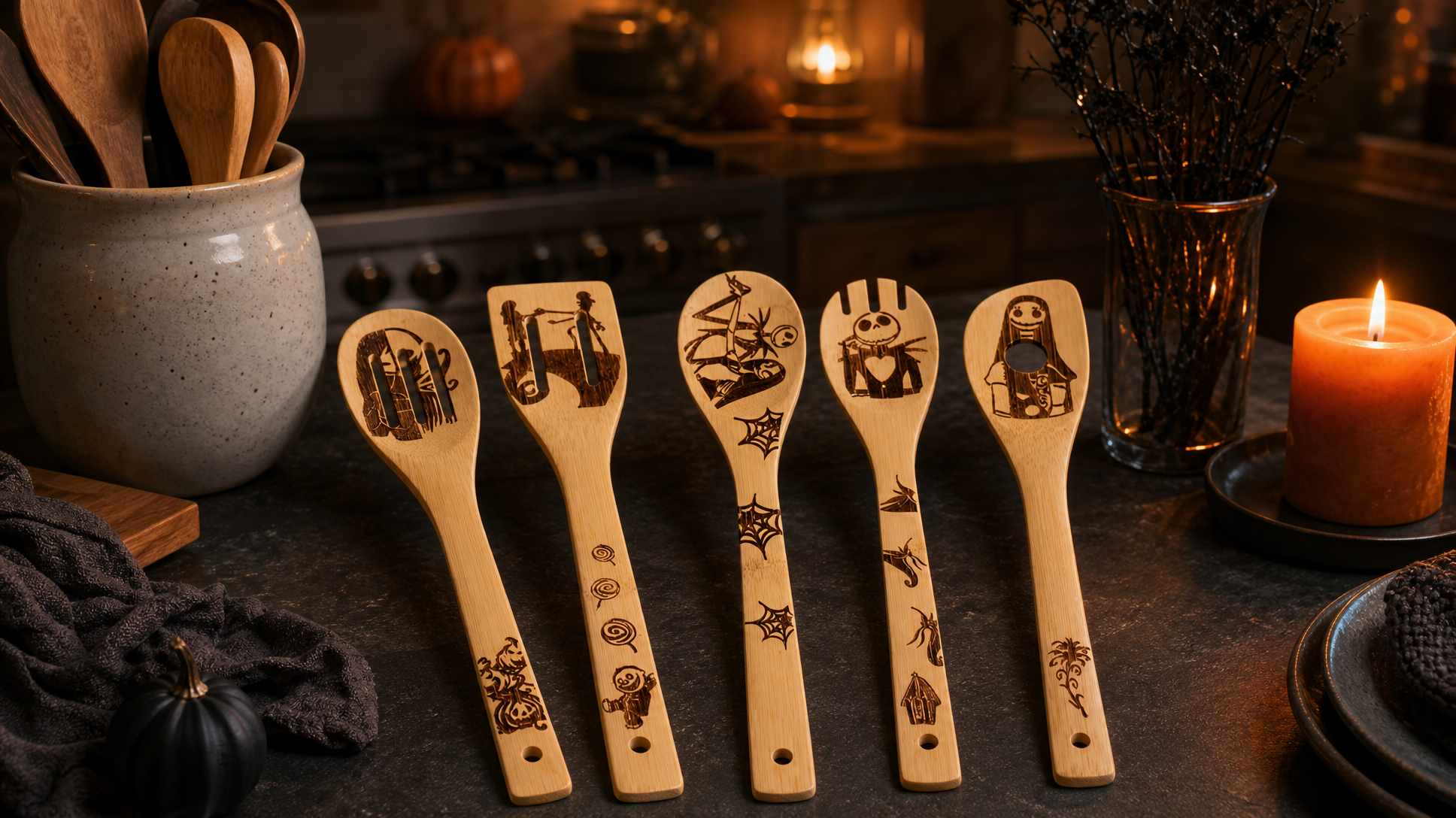
- Wood and Bamboo: Naturally heat resistant but handwash only.
- Stainless Steel: Heat-safe but can scratch delicate surfaces.
Tips for Selecting Utensils:
- Silicone or nylon utensils for non-stick/ceramic pans.
- Metal utensils for stainless steel, cast iron, and copper cookware.
- Wooden or bamboo utensils for gentle stirring to protect delicate surfaces.
5. Maintenance Essentials: How to Extend the Lifespan of Your Kitchenware
Careful upkeep maximizes your investment and keeps kitchenware looking and performing their best.
Material-Specific Care Guidelines
- Stainless Steel: Dishwasher safe; occasional polish recommended.
- Cast Iron: Regular seasoning and prompt drying after handwashing.
- Copper: Clean with polish or lemon and salt solution to maintain shine.
- Non-Stick: Use non-abrasive cleaning tools and avoid metal utensils.
- Silicone and Nylon Utensils: Often dishwasher safe; avoid direct flame contact.
- Wood and Bamboo: Handwash only, dry immediately, and occasionally oil.
6. Kitchen Utensil Sets in 2025: Identifying the Perfect Match for You
Depending on your cooking frequency, preferences, and budget, here are the common categories in 2025:
Budget Sets (< $50)
- Examples: Glad 7-piece nylon utensil set (~$17.64).
- Materials: Plastic or metal handles with nylon heads.
- Pros: Affordable, safe for non-stick, great for occasional use.
- Cons: Limited heat resistance, may melt or stain.
- Best for: Beginners, infrequent cooks, cost-conscious users.
Mid-Range Sets ($50 – $100)
- Examples: Anolon SureGrip set (~$39.99).
- Materials: Ergonomic designs with heat-resistant nylon or silicone heads.
- Pros: Durable, comfortable, better heat resistance.
- Cons: Requires occasional cleaning to prevent staining.
- Ideal for: Cooking enthusiasts and families.
Premium Sets (>$100)
- Examples: Caraway 14-piece set (~$495) with German steel knives, FSC wood, and magnetic organizers.
- Materials: Premium stainless steel, silicone, wood/bamboo.
- Pros: Exceptional durability, elegant design, eco-friendly, advanced storage.
- Cons: High price and delicate care for wood components.
- Perfect for: Serious home chefs, gift-givers, eco-conscious consumers.
7. Cutting-Edge Storage and Organization Solutions for Your Kitchenware
Proper storage protects your tools, saves space, and enhances kitchen aesthetics.
- Rotating stands: Examples like the Joseph Joseph Elevate Carousel keep utensils organized and hygienic.
- Magnetic organizers: Caraway’s modular magnetic storage systems provide elegant, space-saving solutions.
- Utensil rests: Maintain cleanliness and prevent counter stains during cooking.
8. Sustainability in Kitchenware: Embracing Eco-Conscious Choices
Environmental responsibility is increasingly shaping kitchenware production and selection.
- Bamboo: Fast-growing, biodegradable, and an excellent plastic alternative.
- FSC-Certified Wood: Responsibly sourced wood combining sustainability with elegance.
- Recyclable Metals: Stainless steel and cast iron minimize waste through longevity and recyclability.
- Ceramic Non-Stick: More eco-friendly compared to PTFE-based coatings.
Choosing eco-conscious kitchenware supports long-term environmental goals without sacrificing quality or style.
9. Proven Strategies for Maximizing Your Kitchenware Investment
- Season cast iron regularly and avoid soaking.
- Handwash and oil wooden/bamboo utensils, drying promptly.
- Use silicone or nylon tools on non-stick cookware.
- Avoid nylon utensils directly over open flames.
- Clean stainless steel with gentle detergents and polish occasionally.
- Store utensils using stands or organizers to prevent damage.
- Follow manufacturer guidelines on dishwasher use, especially for non-stick items.
Conclusion: Elevating Your Kitchen with Premium Cookware in 2025
Investing in premium kitchenware enriches your culinary journey with superior performance, safety, and sustainable craftsmanship. Reflect on your cooking habits, budget, and care preferences to select sets that fit your lifestyle:
- Beginners and budget-conscious users may prefer economical nylon sets to get started.
- Cooking enthusiasts should consider mid-range ergonomic and heat-resistant options.
- Serious chefs and eco-aware consumers will benefit from premium collections that emphasize design, durability, and environmental care.
By prioritizing quality materials, ergonomic comfort, heat resistance, and sustainable production, you can curate a kitchenware collection that lasts decades and reflects your values.
*Explore our carefully curated assortment of premium and cost-effective kitchenware collections designed to transform your culinary journey at HomeKitchenShop.*
FAQ
Q1: How often should I season my cast iron cookware?
Season cast iron pans regularly, ideally after every few uses or when food begins to stick. Apply a thin layer of oil and heat the pan to maintain its non-stick surface and prevent rust.
Q2: Can I use metal utensils on non-stick pans?
It is best to avoid metal utensils on non-stick pans as they can scratch the coating. Choose silicone, nylon, or wooden utensils to protect the surface.
Q3: What are the benefits of ergonomic kitchenware?
Ergonomic kitchenware reduces hand and wrist fatigue, improves grip safety, and enhances overall comfort—enabling longer and safer cooking sessions.
Q4: How do I maintain the shine on copper cookware?
Regularly polish copper using commercial copper polish or a homemade mixture of lemon juice and salt. This prevents tarnish and keeps cookware looking vibrant.
Q5: Are dishwasher-safe utensils always better?
While dishwasher-safe utensils offer convenience, some materials like wood and bamboo require handwashing to maintain integrity and longevity.