Cart
0
How to Design a Functional and Minimalist Kitchen That Works for You
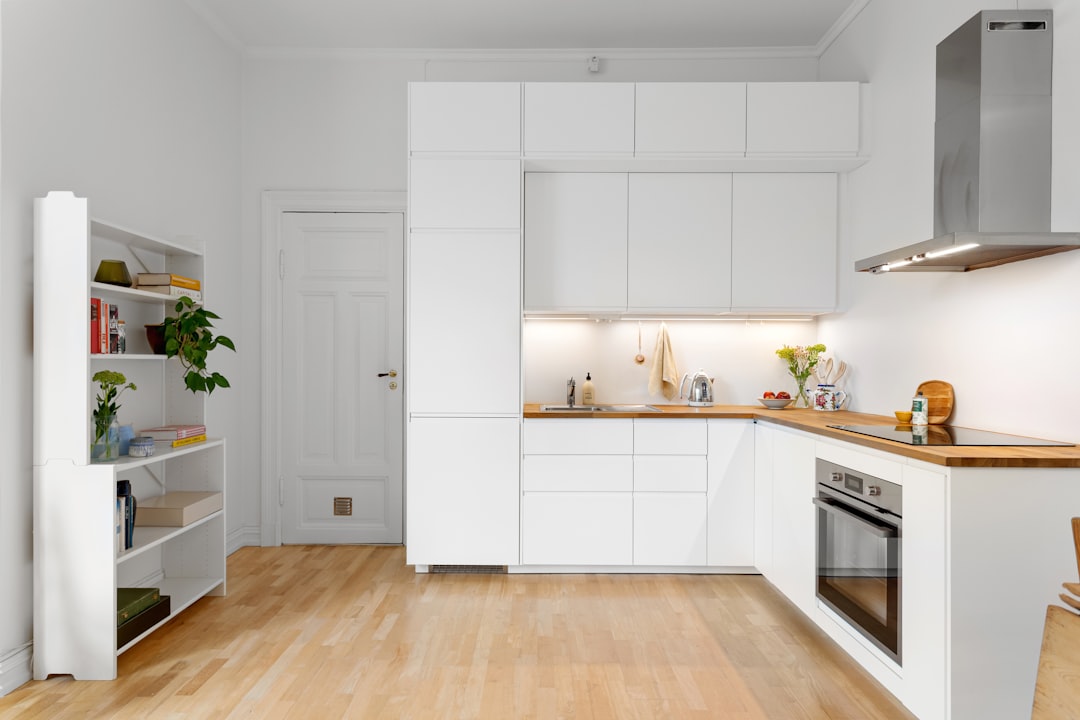
A well-designed kitchen is the heart of any home. It’s not just where meals are prepared, families gather, and memories are made. A great kitchen should look good but, above all, work smoothly, or it can easily turn daily cooking into a frustrating chore. That's why the combination of functional kitchen design and minimalist style is quickly becoming the go-to choice for homeowners, remodelers, and custom builders. In this ultimate guide, let’s delve into the essentials on how to master the art of creating a kitchen that not only looks calm and appealing but also works efficiently, making our everyday lives a lot more seamless. Whether you’re planning a custom home kitchen, remodeling an existing one, or just looking to spruce it up, these insights are grounded in practical design, smart storage, and minimalist principles to help you build a kitchen that’s truly in sync with your lifestyle—and stress-free to boot.
Key Takeaways
- Functional kitchen design prioritizes efficient workflow and smart zoning to reduce cooking stress.
- Minimalist principles promote calmness through purposeful decluttering, limited color palettes, and quality materials.
- Optimal clearance and thoughtful placement of appliances improve comfort and usability in busy kitchens.
- Built-in storage and versatile tools keep your kitchen organized and adaptable.
- Early planning and involving household members in organization strengthen kitchen harmony.
Table of Contents
- 1. Functional Kitchen Design: The Backbone of Efficiency
- 2. Organizing and Setting Up Your Kitchen for Daily Use
- 3. Minimalist Kitchen Principles: Embracing Calm and Efficiency
- 4. Integrating Functional Design and Minimalism: Practical Tips
- Conclusion
- FAQ
1. Functional Kitchen Design: The Backbone of Efficiency
When aiming to design a kitchen that truly serves its purpose, functionality is key. Essentially, your kitchen should seamlessly support your cooking, cleaning, and entertaining needs to make them efficient and uncomplicated. The right layout, defined work zones, and smart storage solutions all play crucial roles in transforming your kitchen into a well-oiled machine where tools and tasks have their designated spots set out.
Efficient Work Triangle and Workflow Zones
Let’s kick things off with the iconic work triangle—a strategic setup of the sink, stove, and refrigerator that lays the groundwork for an ergonomically efficient kitchen. By positioning these core elements in a triangle shape, you streamline your meal prep by minimizing unnecessary walking distances, resulting in reduced strain. For the ideal setup, each side of this triangle should be about 4 to 9 feet long, a range that comfortably fits in your kitchen’s layout and allows for smooth movement around your culinary hub.
Moreover, establishing clear dedicated zones for prep work, cooking, cleaning, and storage not only boosts efficiency but is particularly handy for households with multiple cooks, ensuring harmony while juggling kitchen duties. Here’s a glimpse of how you might organize your zones:
- The prep zone: Conveniently located near the sink with easy access to knives and cutting boards.
- The cooking zone: Centrally located around the stove with accessible cookware drawers nearby.
- The cleaning zone: Thoughtfully placed around the sink with pull-out bins for recycling and trash disposal.
In more spacious kitchens or households with several cooks, you might consider stepping up your game with multi-workstation setups where multiple cooks can work side by side, making the best use of the available space.
Optimal Clearance Around Counters and Islands
Clearance may often be an overlooked element, but it undeniably holds the key to comfort in your kitchen. Experts endorse maintaining at least 42 inches of clearance around your kitchen islands to ensure:
- Easy maneuverability while prepping meals and tidying up.
- Unhindered opening of appliance doors like dishwashers and refrigerators.
- Smooth allowance for multiple people to navigate unimpeded even when the kitchen is abuzz with activity.
Should you have a large family or frequently entertain guests, expanding this clearance to 48 inches around your island promises a more future-proof kitchen on eventful days.
Strategic Placement of Appliances and Storage Solutions
Sometimes, the devil—or delight—is in the details. Picture this: having your stove positioned behind or adjacent to the sink can offer a secure and effortless way to transfer heavy pots and pans without crossing paths with your on-the-move cook.
Furthermore, placing commonly used items near to their specific usage zones can be an absolute game-changer:
- Keep your silverware and everyday dishes close to the dishwasher for an efficient unloading routine.
- Catch quickly rolling trash and recycling bins right beside the sink for seamless waste management.
- For your heftier items like pots and pans, consider deep drawers beneath your stove and oven as they often boast better accessibility than conventional cabinets and are often equipped with features like soft-close for a touch of luxury.
Blending Luxury and Functionality with Tactful Features
Budget allowing, you might fancy integrating a:
- Butler’s pantry: A hidden nook for extra prep and storage with its own secondary sink, keeping your main kitchen spotless when entertaining.
- Dedicated coffee station: An exclusive spot for your coffee maker, mugs, and supplies, which not only paves the way for a neater counter but also brings a hint of opulence to your daily caffeine rituals.
Integrating these features right from the get-go in a new custom build or remodel can save you from costly retrofits down the road.
2. Organizing and Setting Up Your Kitchen for Daily Use
Even with the ideal layout in place, a smartly organized kitchen is the secret sauce to ensuring its optimal functioning throughout the years. The way you organize your kitchen after moving in or revamping it can have a significant impact on its practicality and utility.
Prioritize Items Based on Frequency of Use
Kicking off the unpacking or setup process with the items you use most often is wise. For many of us, that could imply setting up the coffee station first since having an accessible and designated space for our daily necessities sets the pace for smooth morning rituals and wards off kitchen chaos during those groggy early hours.
Streamline the Under-Sink Storage
The area beneath your sink can quickly spiral into a chaotic miscellany zone. To steer clear of this disarray, consider allotting space for just a few expansive categories like:
- Cleaning supplies
- Trash bags
- Dishwasher detergents
This targeted approach can stave off the creation of a tangled mess where items are either lost or overlooked in the hustle and bustle.
Thoughtful Organization of Drawers and Cabinets
Dividers are the unsung heroes of drawer organization, acting as trusty separators for your utensils, gadgets, and tiny tools to keep things in their place. For commonly used cooking tools, make the smart move of placing them within arm's reach to not only save time but also keep the nagging frustration at bay.
Since kitchen layouts and built-in storage features are typically set post-construction, your organizational endeavors must flex around these fixed fixtures. Flexible storage solutions like modular baskets or insertable dividers can help you tailor your setup as per evolving requirements.
Taming Indelible Family Habits and Personal Territories
The layout and organization of many kitchens often mirror long-standing family habits, turning rearrangement into quite a challenging endeavor. Success in this arena hinges on the establishment of consistent systems and distinct "zones" so that everyone in the household knows where their belongings belong. Regular communication and involving all members of your domestic cohort in the reorganization procedure can foster cooperation and tamp down on conflicts.
3. Minimalist Kitchen Principles: Embracing Calm and Efficiency
Minimalism transcends more than just creating a visually tidy space; it encapsulates an ethos centered around purposeful design, simplicity, and functionality. Bringing minimalist principles into play while configuring your kitchen can instill a tranquil environment that encourages mindful cooking and hassle-free upkeep.
Deliberate Decluttering
Adopting methods such as the “30-day test box” approach can be a game-changer: to begin with, stash seldom-used or surplus items into a box for a month. Should this duration reveal no subsequent need for these items, waving goodbye to them through donation or disposal can be liberating. This practice chips away at the emotional bonds we often form with clutter, making space for only the essentials in your kitchen.
Another effective tactic to stunt accumulation is the “one-in, one-out” rule: whenever you introduce a new item into your kitchen, waving goodbye to an old or redundant item can prevent overcrowding.
Harmonization through a Refined Color Palette and Material Selection
Keeping your color palette subdued and material choices limited can prove game-winning. Ideally, sticking to a relaxed, neutral color palette comprising two to three hues like white, gray, and beige, and introducing natural textures such as wood for your cabinetry or flooring, stone for countertops, and metal for your fixtures can strike a delicate balance that radiates warmth without overwhelming the senses.
Prioritizing Durability and High Quality
Choosing high-quality, durable tools, cookware, and fittings often yields a higher return in terms of both function and style. Investing in a few top-notch knives, versatile pans, and solid wood chairs can significantly elevate both your kitchen's functionality and aesthetics, surpassing the contribution of a multitude of single-use gadgets that may add more clutter than value.
Layered Lighting for Tasks and Ambience
A well-lit kitchen not only enhances its functionality but also elevates its overall ambiance. A judicious mix of:
- Natural light from windows
- Ambient lighting from ceiling fixtures
- Task lighting illuminating work zones
- Accent lighting highlighting shelving or toe kicks
This layered lighting setup not only adds a functional dimension but also accentuates key features of your kitchen, making it visually pleasing.
Maximizing Storage with Clever Built-In Solutions
Embracing built-in storage concepts that support minimalist living equips your kitchen to handle clutter and essentials alike effectively. Consider incorporating:
- Pull-out shelves and racks for seamless access
- Lazy Susans in corner cabinets
- Vertical partitions for baking sheets and trays
- Toe-kick drawers closer to the floor
- Magnetic knife strips to free up precious counter and drawer real estate
Such thoughtful features expertly reduce clutter by keeping essentials visible, thus curtailing unnecessary replication of purchases and averting food expiration.
Steering Clear of Excessive Gadgets and Embracing Versatile Tools
Banishing one-trick kitchen gadgets in favor of multipurpose tools is a smart move. Opting for items such as:
- A stand mixer featuring an array of attachments
- A blender doubling up as a food processor
- A set of nesting measuring cups
Not only does this foster a more streamlined kitchen setup, but it also elevates maintenance simplicity by slimming down your gadget inventory.
4. Integrating Functional Design and Minimalism: Practical Tips for Your Kitchen Project
Early Planning with Lifestyle in the Limelight
Early on in your new build or renovation project, investing thought upfront into kitchen planning can yield massive dividends in the long run. Ponder over:
- The existing routines of your household and potential future adjustments, like children growing or an expanding roster of chefs.
- The tailor-made number of prep zones that you envision.
- Desired lavish features such as a butler's pantry or a coffee station.
Given the significance of these factors in shaping your kitchen, collaborating with designers who grasp your aspirations and are capable of crafting an environment designed to enhance efficiency and minimize regrettable expenditures is essential.
Leveraging Interactive Tools and Workbooks for Zoning Your Kitchen
If you're embarking on a DIY remodeling journey, tools that aid in mapping out kitchen zones can bring added clarity during the planning phase. Assigning specific tasks to various areas of your kitchen (think prep, cooking, cleaning) and structuring your storage around these zones can ensure a thoughtfully organized space and optimized workflow.
Regular Clean Cluttering and Maintenance Sessions
Setting aside time for periodic decluttering, categorized by item type, can help preserve the tranquility of your minimalist kitchen. Marry this practice with judicious shopping habits to avert the risk of overcrowding your cherished space with unused paraphernalia.
Striking a Harmonious Balance between Visible and Concealed Storage
Strike equilibrium by integrating visible storage elements like open shelves or glass-fronted cabinets, which not only showcase handpicked essentials but also encourage mindful food management. Concealed storage venues can adeptly keep clutter at bay while ensuring accessibility. Striking the right equilibrium that aligns with your personal taste and home life nurtures daily contentment and buffers visual chaos.
Conclusion: Reinventing Your Kitchen into a Lifelong Companion
Embracing a functional and minimalist kitchen as a lifestyle choice can be more than a fleeting design trend; it’s an inspired decision that champions calmness, efficiency, and joy in daily living. By tangibly prioritizing smart workflows, sufficient clearances, and user-centric storage solutions, you can transform your kitchen into a hub where mundane tasks seamlessly meld into the fabric of daily life.
Infusing the minimalist ethos via thoughtful decluttering sprees, calibrated material choices, layered lighting, and streamlined storage cultivates a space that not only reduces stress levels but adds significant value to your home. Be it a custom kitchen construction project or a revamp of your current culinary haven, adhering to these strategies helps ensure a kitchen that not only looks fabulous but caters to you, your loved ones, and your lifestyle.
For more inspiration and comprehensive guidelines on functional and minimalist kitchen design, visit Terraselene: Kitchen Simplified Minimalist Design.
FAQ
What is the ideal clearance space around a kitchen island?
Experts recommend a minimum of 42 inches clearance around kitchen islands to allow easy movement and appliance access. For larger families or frequent entertaining, 48 inches provides added comfort.
How can I maintain a minimalist kitchen without sacrificing functionality?
Focus on decluttering regularly, choosing versatile tools, limiting your color palette, and maximizing built-in storage solutions to keep your kitchen both practical and visually calm.
What is the 'work triangle' in kitchen design?
The work triangle is a layout concept that places the sink, stove, and refrigerator in a triangle formation, optimizing workflow by reducing unnecessary movement during cooking.
How do I organize under-sink storage effectively?
Limit storage to a few key categories such as cleaning supplies, trash bags, and detergents to prevent clutter and improve accessibility.
Should I involve family members in organizing the kitchen?
Yes, involving all household members helps establish clear zones and ownership, reducing conflicts and ensuring the kitchen stays organized.