Cart
0
How to Create a Minimalist Kitchen: Design Tips, Essential Appliances, and Lifestyle Benefits
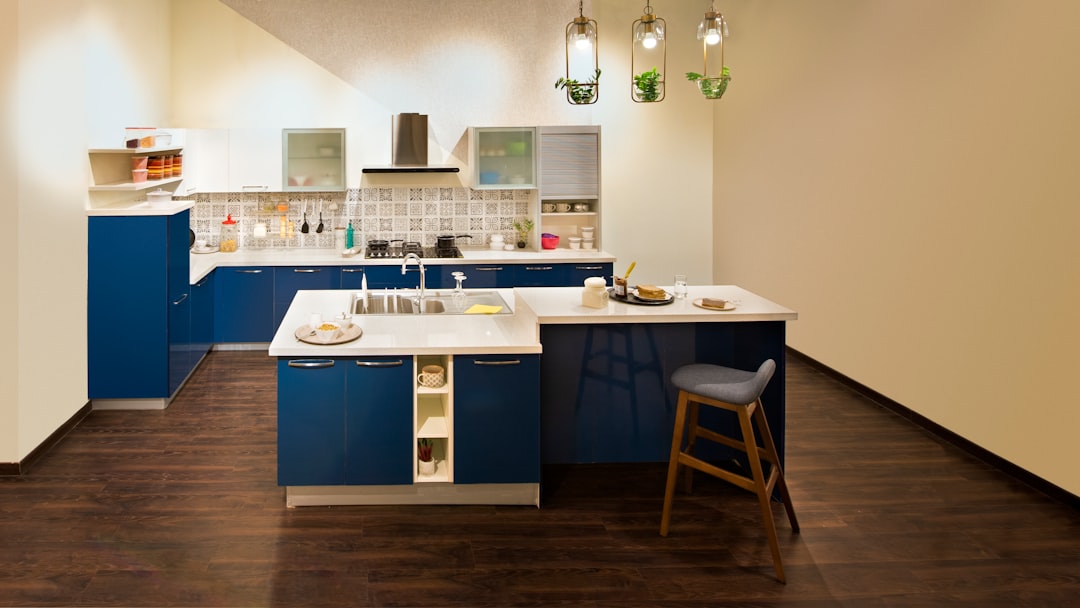
Minimalist kitchens are more than just a design trend; they represent a lifestyle choice focused on simplicity, intentional ownership, and thoughtful function. This approach creates calm, clean, and clutter-free spaces that help reduce stress and make cooking a joy rather than a chore. In this blog, we'll explore how to design a minimalist kitchen, the appliances to invest in, and the many health and psychological benefits of this serene space.
Key Takeaways
- Design your kitchen based on your personal cooking habits to avoid unnecessary clutter.
- Consolidate kitchen essentials by prioritizing multi-use tools and appliances.
- Use physical boundaries and spatial limits to maintain order and optimize workflow.
- Select hygienic and easy-to-clean materials to ensure safety and cleanliness.
- Minimalist kitchens improve mental wellbeing by fostering calm, control, and clarity.
- Neutral color palettes and natural materials keep the kitchen cozy yet streamlined.
- Incorporate modern, multifunctional appliances to combine style with practicality.
Table of Contents
- 1. Stay in Your Lane: Personalizing Your Minimalist Kitchen
- 2. Consolidate Your Kitchen Essentials: Multi-Use and Decluttering
- 3. Embrace Boundaries: Physical Space as a Tool Against Clutter
- 4. Decluttering and Workflow Optimization for a Minimalist Kitchen
- 5. Clean Surfaces and Hygiene: Materials That Matter
- 6. Psychological Benefits: Calm, Control, and Clarity in Your Kitchen Space
- 7. Kitchen Style: Neutral Palettes, Natural Materials, and Lighting
- 8. Space Optimization: Functional Layouts and Flexible Furniture
- 9. Practical Appliances and Innovations: The Future of Minimalist Kitchens
- 10. Decluttering for Health and Safety: More Than Just Aesthetics
- Final Thoughts: Living Better with a Minimalist Kitchen
1. Stay in Your Lane: Personalizing Your Minimalist Kitchen
One key principle of a minimalist kitchen is to “stay in your lane.” Essentially, design your kitchen according to your actual habits, and avoid making choices based on generic lists or the latest trends.
Why Staying True to Your Style Matters
- Many kitchens are filled with specialty gadgets and duplicate items that do not suit your cooking routine.
- A practical tip is to borrow or test new appliances before buying them to ensure they're truly necessary.
- Instead, focus on essential items you use daily, such as a quality knife block, a coffee machine, or a trusted set of pots.
Embracing your kitchen needs truthfully can save time, reduce stress, and result in a space that truly feels like your own.
2. Consolidate Your Kitchen Essentials: Multi-Use and Decluttering
At the heart of minimalist kitchen design lies consolidation—that is, opting for multi-functional tools and appliances instead of accumulating numerous single-use items that require storage.
Why Consolidate?
- Single-use items often clutter counters and cabinets.
- Multi-use appliances streamline cooking tasks and save valuable countertop space.
- Speaking of materials that matter, stainless steel sinks provide a sleek, non-porous, and hygienic option.
Additionally, consolidation fosters efficient and pleasant cooking while maintaining a tidy kitchen.
3. Embrace Boundaries: Physical Space as a Tool Against Clutter
The third guiding principle of a minimalist kitchen revolves around embracing physical boundaries as useful tools for maintaining order.
How Boundaries Help Minimalism
- Setting definite limits naturally prevents the accumulation of unnecessary items.
- Boundaries compel individuals to make decisions about what belongs in their kitchen according to space and usage.
- Accepting and optimizing space fosters workflow improvement and reduces clutter over time.
Optimizing spatial limits not only promotes order but also ensures practical and sustainable design.
4. Decluttering and Workflow Optimization for a Minimalist Kitchen
Smooth kitchen workflow revolves around decluttering and employing an intelligently designed layout, enabling faster, safer, and more enjoyable cooking.
Key Benefits of Decluttering
- Reducing visual clutter decreases feelings of stress.
- A clean and organized space supports effective cleaning, thereby aiding hygiene.
- To cite a specific tip, consider hiding most appliances behind cabinet doors or enclosing them in pull-out drawers.
Indeed, optimizing workflow in a minimalist kitchen boosts the cooking process and positively impacts health.
5. Clean Surfaces and Hygiene: Materials That Matter
Minimalist kitchens require surfaces that not only look good but also help maintain hygienic spaces.
Ideal Surfaces for Minimalist Kitchens
- Integrated cooktops feature smooth, flush surfaces to prevent food buildup, enhancing cleaning and safety.
- Materials with smooth, uninterrupted finishes minimize hiding spots for grease, bacteria, and crumbs, hence promoting a safer food preparation environment.
By selecting materials meticulously, individuals create a hygienic setting conducive to food preparation.
6. Psychological Benefits: Calm, Control, and Clarity in Your Kitchen Space
Well-designed minimalist kitchens profoundly impact mental wellbeing, as they create a calm, orderly, and controlled environment.
How Minimalism Helps Mental Health
- Managing clutter effectively alleviates sensations of anxiety and overwhelm.
- Enhancing focus and enjoyment by maintaining an orderly environment.
- Furthermore, feelings of control over one's space deter unhealthy eating habits.
Utilizing natural materials to avoid a sterile, cold atmosphere adds warmth and texture, which soothes the senses.
7. Kitchen Style: Neutral Palettes, Natural Materials, and Lighting
To preserve minimalist style without compromising comfort, be meticulous in selecting colors, materials, and lighting.
Choosing Colors and Materials
- Neutral palettes, such as whites, grays, and natural wood tones, offer a timeless base for minimalist spaces.
- The inclusion of natural materials like wood, stone, and stainless steel adds depth and warmth to the design.
By thoughtfully integrating these elements, individuals can cultivate a kitchen that feels both cozy and bright.
8. Space Optimization: Functional Layouts and Flexible Furniture
Maximizing physical space is crucial in minimalist kitchen design to ensure practicality and aesthetics.
Efficient Layouts
- A work triangle between the stove, sink, and refrigerator facilitates effortless movement during meal preparation.
- This principle, extended to furniture, involves opting for rolling islands or movable carts in smaller kitchens.
Thus, thoughtful spatial planning ensures a harmonious blend of practicality and beauty in minimalist kitchen designs.
9. Practical Appliances and Innovations: The Future of Minimalist Kitchens
Modern minimalist kitchens significantly benefit from cutting-edge appliances that merge style and utility.
BORA Product Highlights
- They offer integrated cooktop extractors that combine ventilation and cooking surfaces, reducing the need for bulky range hoods.
- The BORA X BO steam oven-combi efficiently merges steam cooking with traditional oven functions, presenting an innovative solution.
- Moreover, seamless, integrated appliances offer improved functionality, enhance workflow, and sustain the necessary uncluttered appearance of a minimalist kitchen.
Such investments in high-quality, multifunctional appliances not only save counter space but also elevate the aesthetics of minimalist kitchens.
10. Decluttering for Health and Safety: More Than Just Aesthetics
Beyond aesthetics, minimalist kitchens contribute significantly to overall health and safety.
- A clutter-free environment reduces the risk of injuries during food preparation and minimizes the growth of bacteria.
- A well-organized space influences healthier dietary choices, as a clean and ordered environment discourages stressful eating habits.
- By employing hygienic materials and organizing your space strategically, daily cleaning becomes more manageable and effective.
Embracing minimalist principles is a practical approach to enhance kitchen safety and promote overall wellbeing.
Final Thoughts: Living Better with a Minimalist Kitchen
Minimalist kitchens champion a lifestyle that revolves around quality, intentional ownership, and simplicity tailored to individual needs.
Designing with natural materials, neutral tones, and optimal lighting ensures that your kitchen remains warm and inviting, avoiding any sterile ambiance.
Thus, a minimalist kitchen offers a calm, organized environment that transforms cooking into a joyous experience rather than a mundane activity.
FAQ
Q: What is the most important aspect of designing a minimalist kitchen?
A: The most important aspect is tailoring your kitchen to your personal habits and needs, avoiding unnecessary items and focusing on essentials you truly use daily.
Q: How can I maintain hygiene in a minimalist kitchen?
A: Choose smooth, non-porous materials like stainless steel and integrated cooktops with flush surfaces to minimize food buildup and make cleaning easier and more effective.
Q: What type of appliances should I invest in for a minimalist kitchen?
A: Invest in multifunctional, space-saving appliances such as integrated cooktop extractors and steam oven-combis that combine several functions while maintaining a clean aesthetic.
Q: How does a minimalist kitchen benefit mental wellbeing?
A: By reducing clutter and creating an orderly environment, minimalist kitchens help alleviate anxiety, improve focus, and provide a sense of control that fosters healthier habits.
Q: Are neutral colors necessary in minimalist kitchen design?
A: While not strictly necessary, neutral colors like whites, grays, and natural wood tones help create a timeless, calming backdrop that enhances the minimalist aesthetic and allows natural materials to add warmth.