Cart
0
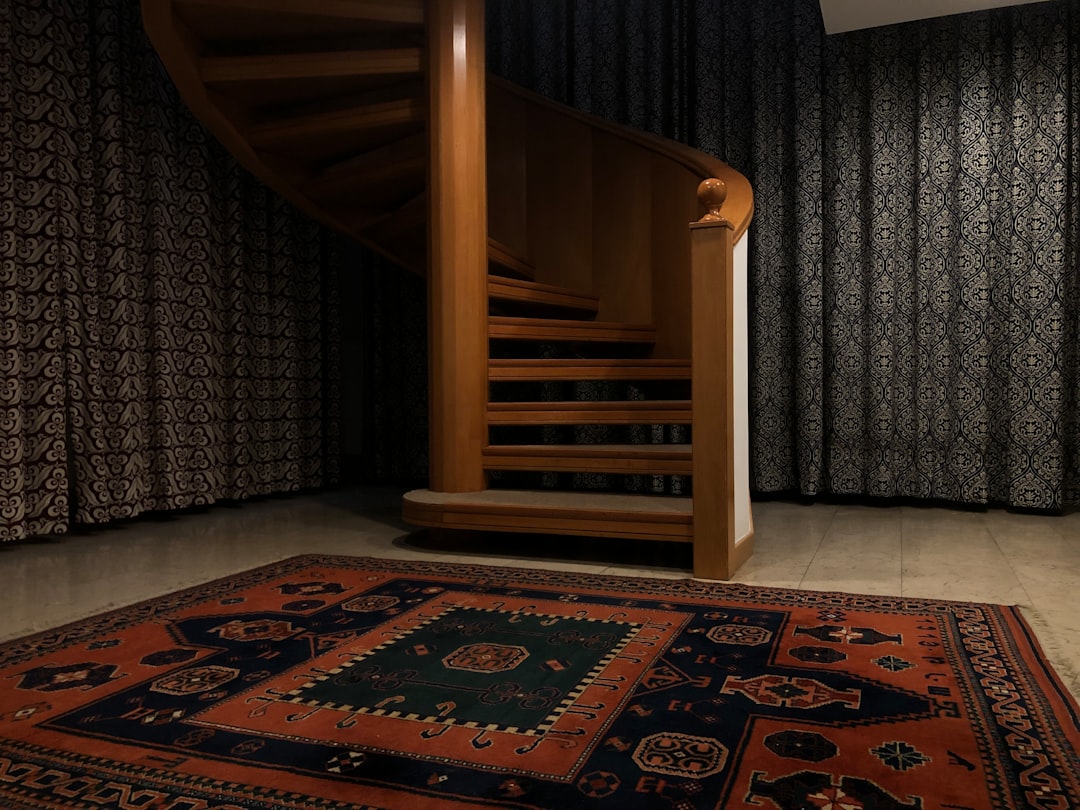
How to Choose the Perfect Area Rug for Your Home: A Complete Guide
Area rugs do much more than just cover floors; they anchor your furniture, enhance comfort, and elevate your room's style. This guide walks you through finding the right size, material, color, and placement to transform any space into a warm, cohesive haven.
Key takeaways
- Choose rug sizes that anchor furniture and define spaces effectively.
- Select materials based on durability, comfort, and lifestyle needs.
- Coordinate colors and patterns to enhance room mood and conceal stains.
- Proper placement and use of rug pads improve safety and aesthetics.
- Regular maintenance ensures longevity and preserves rug beauty.
Table of contents
- 1. Area Rug Size and Placement: The Right Fit Matters
- 2. Understanding Rug Materials: Stylish and Durable Choices
- 3. How to Choose Colors, Patterns, and Textures for Your Rug
- 4. The Importance of Rug Placement & Rug Pads
- 5. Rug Maintenance: Ensure Prolonged Elegance
- 6. Budget-Friendly Rugs: Style on a Budget
- 7. Overcoming Design Challenges in Odd or Small Spaces
- 8. Measuring & Visualizing Your Rug Before Buying
- Conclusion: Elevate Your Rug Selection Game
1. Area Rug Size and Placement: The Right Fit Matters
Choosing the correct rug size is crucial to creating balance and harmony in your room. A rug too small may feel disconnected, while a rug too large can overwhelm the space. The right size anchors your furniture and visually defines the area.
Living Room Rug Size
Select a rug large enough so all seating furniture – sofas, chairs, coffee tables – have at least their front legs on the rug. Ideally, all furniture legs sit on the rug to form a cohesive conversation space.
- Tip: Go bigger than you might think to make the room feel open and unified.
- Leave 6 to 18 inches of bare floor around the rug for a framed look.
Dining Room Rug Sizing
Ensure the rug extends 24 to 30 inches beyond each side of the dining table to allow chairs to move easily without catching.
- For rectangular tables, the rug should fully encompass the table and chairs.
- Flatweave rugs are recommended for dining areas because they are easy to clean and reduce noise.
Bedroom Rugs
Rugs should extend at least three feet beyond the sides and foot of queen or king-sized beds, offering a soft landing each morning.
- In small bedrooms, layer a smaller rug over a larger neutral base to save space while adding style.
Entryway and Hallways
Choose runner rugs sized to length without seams near doorways to avoid tripping hazards. Select durable, easy-to-clean rugs for these busy spots.
Outdoor Rugs
Opt for large, weather-resistant rugs that mimic indoor living areas to create a cozy outdoor oasis. Materials should withstand sun, rain, and foot traffic.
2. Understanding Rug Materials: Stylish and Durable Choices
Choosing the right material influences durability, comfort, and care. Here's a summary of popular fibers and their ideal uses.
Wool Rugs: A Blend of Durability and Luxury
Wool rugs are high-end, durable, stain-resistant, and naturally hypoallergenic, trapping allergens and dust mites. They offer plush softness and moisture wicking, perfect for living rooms and bedrooms.
- Pros: Long-lasting, lush texture, natural stain resistance, moisture-wicking.
- Cons: Higher price; occasional professional cleaning needed.
- Ideal for: High-traffic areas, allergy-prone homes.
Natural Fiber Rugs: For an Earthy Feel and Casual Comfort
Made of jute, sisal, or seagrass, these rugs bring organic texture and a rustic vibe.
- Pros: Eco-friendly, naturally textured.
- Cons: Coarser feel, not ideal for moisture-prone areas.
- Ideal for: Entryways, sunrooms, low-traffic spaces.
Synthetic Fiber Rugs: Practical and Cost-efficient Options
Materials like polypropylene, polyester, and nylon resist stains and clean easily, suited for families and active lifestyles.
- Pros: Affordable, stain-resistant, low maintenance.
- Cons: Wear faster than natural fibers; can trap odors.
- Ideal for: Playrooms, kitchens, mudrooms, outdoor patios.
Blended Rugs: The Best of Both Worlds
Combining natural softness and synthetic durability, blended rugs offer balanced style, resilience, and easy care.
3. How to Choose Colors, Patterns, and Textures for Your Rug
Your rug’s color, pattern, and texture should complement and enhance the room’s decor and mood.
Color Choices
- Neutral rugs offer flexibility and blend effortlessly with most decors.
- Bold colors or intricate patterns act as focal points and inject vibrancy.
- Consider floor color — choose rugs lighter or darker than medium-toned floors to avoid clash.
Pattern and Stain Concealment
- Patterned rugs effectively hide stains and add depth and contrast.
- Solid or lightly patterned rugs calm busy rooms or balance colorful furniture/walls.
Blending Textures
- Contrast soft wool rugs with sleek leather furniture for visual interest.
- Pair woven natural fiber rugs with hardwood floors to add warmth.
4. The Importance of Rug Placement & Rug Pads
Where you position your rug impacts the room’s flow and feel. Proper placement helps define zones and highlights architectural features.
Placement Guidelines
- Align the rug based on room shape and furniture layout.
- Either place all furniture legs on the rug or none for visual consistency.
- Leave space around the rug edge to frame flooring and avoid crowding.
Rug Pads: An Essential Investment
Rug pads prevent slipping, protect floors, reduce wear, and provide extra cushioning and sound absorption.
- Choose pads suited to your floor and rug thickness — for example, rubber or felt pads for hardwood.
5. Rug Maintenance: Ensure Prolonged Elegance
Proper care keeps your rug looking beautiful and lasting longer.
Cleaning Tips
- Vacuum regularly to remove dust and allergens.
- Clean spills immediately to prevent stains.
- Expect some initial shedding from natural fiber rugs like wool; this reduces with time.
- Consider professional deep cleaning once or twice a year, especially for wool or vintage rugs.
Layering for Aesthetic Appeal and Protection
Overlaying a smaller rug on a larger neutral base enhances style, protects delicate rugs, and enables easy design changes.
6. Budget-Friendly Rugs: Style on a Budget
Affordable rugs can still elevate your space beautifully.
Cost-effective Options
- Synthetic fiber rugs: Durable, stain-resistant, and wallet-friendly.
- Flatweave rugs: Lightweight and low maintenance, offering excellent value.
- DIY Hacks: Customize plain rugs with fabric paint or stencils for a unique look at low cost.
Embracing Quality
Investing in quality natural fiber rugs, like wool, pays off with long-term durability and style. Use tools like painter’s tape to visualize rug size and consider financing options for higher-end pieces.
7. Overcoming Design Challenges in Odd or Small Spaces
Non-traditional spaces call for creative rug choices.
- Use multiple smaller rugs or runners in segmented areas like long hallways to maintain flow.
- Layer rugs in compact bedrooms to maximize style and function.
- Experiment with rug placement to highlight architectural features or follow natural room shapes.
8. Measuring & Visualizing Your Rug Before Buying
Avoid costly mistakes by measuring your room and furniture carefully. Use painter’s tape on the floor to outline potential rug sizes and ensure your choice suits your space aesthetically and practically before purchasing.
Conclusion: Elevate Your Rug Selection Game
Choosing the perfect area rug combines thoughtful sizing, material selection, colors, textures, and placement. With the tips shared, you are ready to select a rug that anchors your room’s design, reflects your lifestyle, and adds warmth and cohesion.
Remember to measure with care, invest in quality rug pads for safety and comfort, and maintain your rug diligently. By doing so, your area rug becomes a cherished and functional chapter in your home’s story.
FAQ
How do I determine the right rug size for my living room?
Measure your seating furniture and choose a rug that accommodates at least the front legs of sofas and chairs. Ideally, all furniture legs should rest on the rug to unify the seating area.
What is the most durable rug material?
Wool is considered highly durable, naturally stain-resistant, and hypoallergenic, making it excellent for high-traffic and allergy-prone homes.
How often should I clean my area rug?
Vacuum weekly or biweekly to remove dust and allergens. Attend spills immediately and schedule professional deep cleaning once or twice yearly for natural fiber rugs.
Why are rug pads important?
Rug pads prevent slipping, protect floors from scratches, reduce wear, and add cushioning and sound dampening, significantly extending your rug's life.