Cart
0
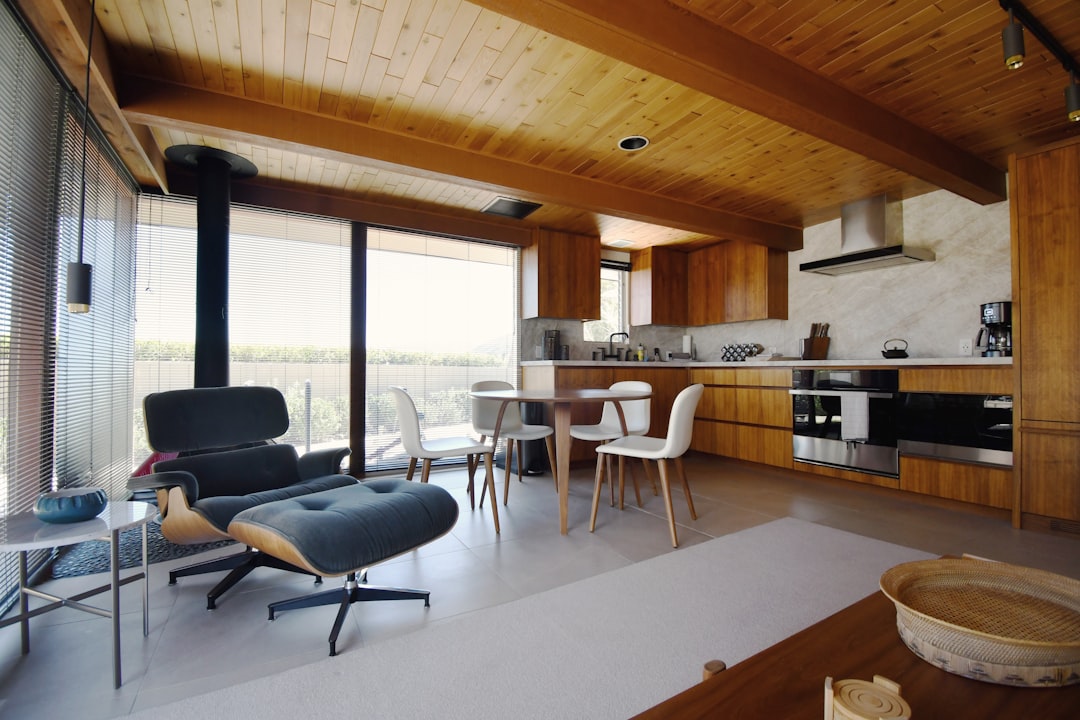
Transform Your Home with the Top Interior Design and Kitchen Trends of 2026
Discover how 2026’s interior design trends emphasize sustainability, comfort, and individuality — blending natural materials, curved furnishings, and cozy kitchens to create spaces that feel authentic and welcoming.
Key Takeaways
- Embrace natural materials like reclaimed wood, stone, and linen for sustainable, warm interiors.
- Curved furniture and multifunctional living spaces create comfort and flow in home design.
- Kitchens evolve with freestanding furniture, open shelving, and cozy eat-in nooks.
- Layering lighting and adding textured textiles enhance ambiance and tactile comfort.
- Use rich, earthy color palettes to add depth and personality beyond traditional neutrals.
Table of Contents
- 1. Embracing Natural Materials for Sustainable Interiors
- 2. Furniture and Space Design: Curved Silhouettes and Cozy Multifunctional Living
- 3. Kitchens That Don’t Look Like Kitchens: Cozy, Functional, and Stylish
- 4. Decorative Detailing and Textile Accents: Elevating Texture and Warmth
- 5. Color Palette Evolution: From Neutrals to Rich, Adaptive Hues
- 6. Bringing It All Together: Practical Tips for Integrating 2026 Trends
- FAQ
1. Embracing Natural Materials for Sustainable Interiors
The hallmark of 2026 design is a heartfelt return to natural, eco-conscious materials. Homeowners and designers are selecting elements that not only provide durability but also celebrate an authentic, lived-in beauty.
Why Choose Natural Materials?
Reclaimed wood, solid oak, burl walnut, and natural fibers like cotton and linen add warmth and story to your interiors. These materials age gracefully with “living finishes” that highlight wood grain and texture without sacrificing eco-friendliness.
Sustainable Antiques and Vintage Finds
Incorporating vintage furniture and antiques reduces resource consumption while infusing your home with character and history. Pairing reclaimed wood countertops with vintage porcelain or antique tables creates a thoughtfully layered aesthetic.
Textural Surfaces: Stone and Terracotta
Natural stone and terracotta tiles are favored for their durability and rustic texture, perfect for kitchens, bathrooms, and entryways where beauty meets practicality.
- Invest in reclaimed wood for furniture and cabinetry.
- Introduce natural stone or terracotta tiles in high-use areas.
- Incorporate vintage accents to add depth and sustainability.
- Use linen and cotton textiles dyed with natural pigments.
For more ideas on using natural materials, explore these sustainable design tips.
2. Furniture and Space Design: Curved Silhouettes and Cozy Multifunctional Living
Sharp edges give way to soft curves in 2026, inviting serenity and fluidity into the home. Coupled with a strong emphasis on multifunctional spaces, these design choices prioritize warmth and adaptability.
Why Curves Are Key in 2026
Rounded sofas, arched cabinetry, and softened table edges mirror nature’s organic forms, enhancing calmness and flow in living spaces. They also complement biophilic elements like houseplants and woven textures.
Creating Multifunctional Spaces That Feel Like Home
Living rooms, kitchens, and dining areas become hybrid zones supporting cooking, working, relaxing, and hosting. Modular cotton-linen couches with rattan accents offer flexible functionality wrapped in cozy style.
Layered Lighting and Textiles
Combining ambient, task, and accent lighting adjusts rooms for any mood. Textured rugs, linen throws, and raw cotton cushions complement this layered light scheme with tactile richness.
- Choose seating with rounded edges and flowing silhouettes.
- Opt for modular furniture adaptable to changing needs.
- Accent spaces with rattan and greenery for softness and life.
- Layer lighting and natural textiles to refine ambiance.
Explore more about these emerging forms and styles at 2026’s top interior design trends.
3. Kitchens That Don’t Look Like Kitchens: Cozy, Functional, and Stylish
Kitchens become warm, inviting spaces that transcend their cooking function to become the heart of the home—suitable for dining, working, and gathering.
Breaking the Mold: Freestanding Furniture and Open Shelving
Replacing built-ins with freestanding dressers, hutches, and sideboards softens kitchen aesthetics, making the space feel more like a cozy dining room or reading nook. Open and glass-front shelving lets you showcase cherished dishware and cookbooks.
Eat-In Kitchen Nooks for Slow Living
Window-side banquettes, cushioned benches, and built-in nooks create inviting spots for families to share meals or work comfortably, encouraging slowing down and connection.
Incorporating Curvaceous Forms in Kitchen Architecture
Arched doorways, rounded islands, and soft-edged counters introduce flow and charm, toning down utilitarian vibes and inviting warmth into the kitchen environment.
Health and Safety Features in Kitchen Appliances
- Ultra-quiet dishwashers to reduce noise pollution.
- Discreet vent hoods that improve indoor air quality.
- Built-in water filtration for cleaner drinking water.
- Leak detection technology for safety and resource conservation.
- Use freestanding furniture and open shelving to showcase personality.
- Create comfortable eat-in areas for dining and multitasking.
- Integrate curved features to soften architectural lines.
- Choose quiet, health-forward appliances for function and wellness.
- Celebrate the season with savings — get 5% off your order using code EXCLUSIVE5 at checkout
Discover further inspiration with this guide on 2026 kitchen trends.
4. Decorative Detailing and Textile Accents: Elevating Texture and Warmth
Minimalism takes a backseat to richly layered environments where handcrafted textiles and decorative details enrich walls and furnishings with warmth and personality.
Textile Wall Hangings and Artisan Artworks
Soft, tactile wall art such as tapestries, handmade quilts, and vintage fabric hangings reconnect us to traditional craftsmanship. These pieces bring depth and energy while combating sterile minimalism.
Return of Elegant Trims: Fringe and Tassels
Modern interpretations of fringe and tassel trims appear as subtle lamp, curtain, and cushion accents, adding gentle movement and nostalgia balanced with sophistication.
Large-Scale Affordable Art for Bold Statements
Oversized statement prints from curated collections provide an accessible way to bring personality and scale to rooms, allowing versatile mixes of color, style, and impact.
- Hang textile wall art such as vintage-inspired quilts or weavings.
- Add décor with modern fringe or tassel details for soft movement.
- Use large-format art prints to define focal points.
- Stick to warm, earthy shades for visual harmony.
Explore more textile décor ideas at this textile decor guide.
5. Color Palette Evolution: From Neutrals to Rich, Adaptive Hues
While neutrals remain relevant, 2026 favors a shift toward earthy, expressive colors that add warmth, depth, and emotion to interiors.
Embracing Earth Tones and Dusty Shades
Favorites include muted blues, terracotta oranges, deep olive greens, caramel browns, rich chocolates, and warm reds like rust and saffron—all designed to complement natural surfaces.
How to Incorporate Color Into Your Home
- Try an accent wall or painted cabinetry in a deep hue.
- Combine muted blues with warm clay hues for contrast.
- Use upholstery or curtains in earth-based colors to offset neutrals.
- Mix traditional shades with modern textiles and patterns for a fresh feel.
6. Bringing It All Together: Practical Tips for Integrating 2026 Trends
Ready to refresh your home with these trends? Follow these steps for a seamless update:
- Begin with Furniture: Swap a sofa or sideboard for one with rounded edges or reclaimed wood to set the tone.
- Layer Cozy Textiles: Add throws, tassel cushions, or textile wall hangings for texture and warmth.
- Revamp the Kitchen: Introduce freestanding pieces and build an inviting eat-in nook.
- Upgrade Appliances Thoughtfully: Choose quieter, health-focused models.
- Play with Color: Use warm earth tones in paint or accent décor.
- Hang Statement Art: Make large walls come alive with bold prints.
These elements harmonize beauty with utility, helping create a home that’s both timeless and entirely your own.
“The 2026 design trends embrace authenticity, comfort, and sustainability, proving that style and soul can beautifully coexist in every home.”
Bring these inspiring trends to life with curated furnishings and décor from Homenkitchenshop — your destination for authentic, inspired design that feels perfectly at home.
FAQ
Q: What are the main benefits of using reclaimed wood in home design?
A: Reclaimed wood offers durability, sustainability, and a unique “living finish” that highlights wood grain while aging beautifully, adding warmth and character to interiors.
Q: How can I create multifunctional spaces without clutter?
A: Opt for modular furniture with soft curves, use storage solutions like shelves and cabinets, and carefully layer textiles and lighting to maintain a cozy yet uncluttered feel.
Q: What kitchen appliance features are trending for wellness?
A: Ultra-quiet dishwashers, discreet vent hoods to improve air quality, built-in water filtration, and leak detection technologies are popular for enhancing kitchen health and safety.
Q: Which colors are best for creating a warm, nature-inspired palette?
A: Earthy tones like muted blues, terracotta, deep olives, caramel browns, and warm reds such as rust and saffron bring warmth and balance complementary natural materials.
Q: How do textile wall hangings impact interior design?
A: Textile wall art adds softness, texture, and a handcrafted character to spaces, breaking away from sterile minimalism and connecting to artisan traditions.