Cart
0

Essential Kitchen Tools for New Cooks: Setting Up the Best Beginner Cooking Experience
Starting your first kitchen can feel overwhelming, but with the right essential tools, you’ll be equipped to create delicious meals effortlessly. This guide focuses on versatile, high-quality, and budget-friendly kitchen items perfect for beginners eager to cook confidently.
Key Takeaways
- Invest in a core set of versatile cookware including a nonstick skillet, medium saucepan, and Dutch oven or stockpot.
- Choose quality knives like an 8-inch chef’s knife and paring knife for safe, efficient food prep.
- Use plastic cutting boards for easy cleaning and food safety.
- Stock essential small tools such as spatulas, whisks, tongs, and peelers to simplify cooking tasks.
- Measure precisely with measuring cups, spoons, and a digital kitchen scale for baking and cooking accuracy.
- Select compact appliances wisely to save space and enhance kitchen function.
- Organize with smart storage solutions to maintain a neat and clutter-free kitchen environment.
Table of Contents
- The Importance of Essential Kitchen Tools
- Essential Cookware Every Beginner Needs
- Knives: The Finest Tools for Safe, Efficient Cooking
- Selecting the Optimal Cutting Boards for Safety and Sanitation
- Small Tools That Work Wonders in the Kitchen
- Measuring Tools: Precision is Key, Especially for Baking
- Compact Appliances for Initial Kitchens
- Storage Solutions: Maintaining Order in a Small Kitchen
- Choosing Quality Over Quantity: Why It’s Worth the Investment
- The Bottom Line: Building Your Best Beginner Cooking Haven
- FAQ
The Importance of Essential Kitchen Tools
Many new cooks make the mistake of buying too many single-purpose gadgets or low-quality items that quickly disappoint. Instead, start by selecting durable, versatile basics that will handle multiple tasks effectively. This approach:
- Saves money by preventing clutter and repeated purchases.
- Maximizes space in often limited kitchen areas.
- Speeds up cooking by streamlining meal prep.
- Improves cooking results thanks to quality tools that feel professional.
Adopting a minimalist philosophy with thoughtful investments makes cooking enjoyable and efficient.
Essential Cookware Every Beginner Needs
Great cookware forms the backbone of any successful kitchen. Focus on these versatile essentials that cover nearly all your cooking needs:
1. 10-inch Nonstick Skillet
Perfect for eggs, pancakes, and quick stir-fries, a quality nonstick skillet from trusted brands like T-fal or Tramontina ensures easy food release and simple cleanup.
2. 2-quart Saucepan
Essential for sauces, grains, pasta, and reheating; this size hits a sweet spot for everyday cooking.
3. Dutch Oven or Large Stockpot
A multitasker for soups, stews, roasting, and even baking. Lodge’s enamel-coated cast iron options are recommended for durability and even heat distribution.
Why these three? They cover almost every stovetop and oven meal you’ll prepare without overcrowding your cupboards.
Knives: The Finest Tools for Safe, Efficient Cooking
Rather than filling your drawer with many knives, start with a few well-chosen essentials:
- 8-inch Chef’s Knife: Versatile for chopping, slicing, and dicing.
- Paring Knife: Great for peeling, trimming, and detailed work.
- Serrated Bread Knife (optional): Useful if you love fresh bread.
Top picks include the Mercer Culinary 8-inch Millennia Chef’s Knife for affordability and performance, along with brands like Victorinox and Cuisinart suitable for beginners.
Knife Maintenance Tips
- Use plastic cutting boards for easy cleaning.
- Hand wash and thoroughly dry knives immediately after use to protect edges.
- Sharpen regularly with a simple sharpener or professional service to maintain cutting quality.
Selecting the Optimal Cutting Boards for Safety and Sanitation
Plastic cutting boards are ideal for beginners because they:
- Are dishwasher-safe, making cleaning simple.
- Resist odors and staining better than wood.
- Come in color-coded options to reduce cross-contamination risks, such as splitting one board for raw meat and another for produce.
Best practice: Invest in at least two plastic boards to keep your prep hygienic and organized.
Small Tools That Work Wonders in the Kitchen
These essential utensils help speed up many cooking steps and add convenience:
- Silicone Spatula: Great for folding, scraping, and heat resistance up to 500°F (e.g., Supoon spatula).
- Whisk: Necessary for sauces, dressings, and baking preparation.
- Tongs: Perfect for turning food and serving, look for comfort and spring tension.
- Ladle & Slotted Spoon: Ideal for serving and draining liquids.
- Peeler & Grater: For vegetables, cheese, and zest; durable and easy to clean.
- Can Opener: A reliable opener is essential.
Measuring Tools: Precision is Key, Especially for Baking
Accurate measurements create consistent results, especially critical in baking:
- Measuring Cups and Spoons: Essential for both liquids and solids.
- Digital Kitchen Scale: Highly recommended for precise gram measurements and easy portion control.
Using these regularly will boost your cooking confidence and recipe success.
Compact Appliances for Initial Kitchens
Small spaces need not limit convenience. Consider these compact appliances that fit well in beginner kitchens:
- Microwave or Toaster Oven: Great for reheating, roasting, and small baking jobs.
- Blender: Useful for smoothies, sauces, and soups.
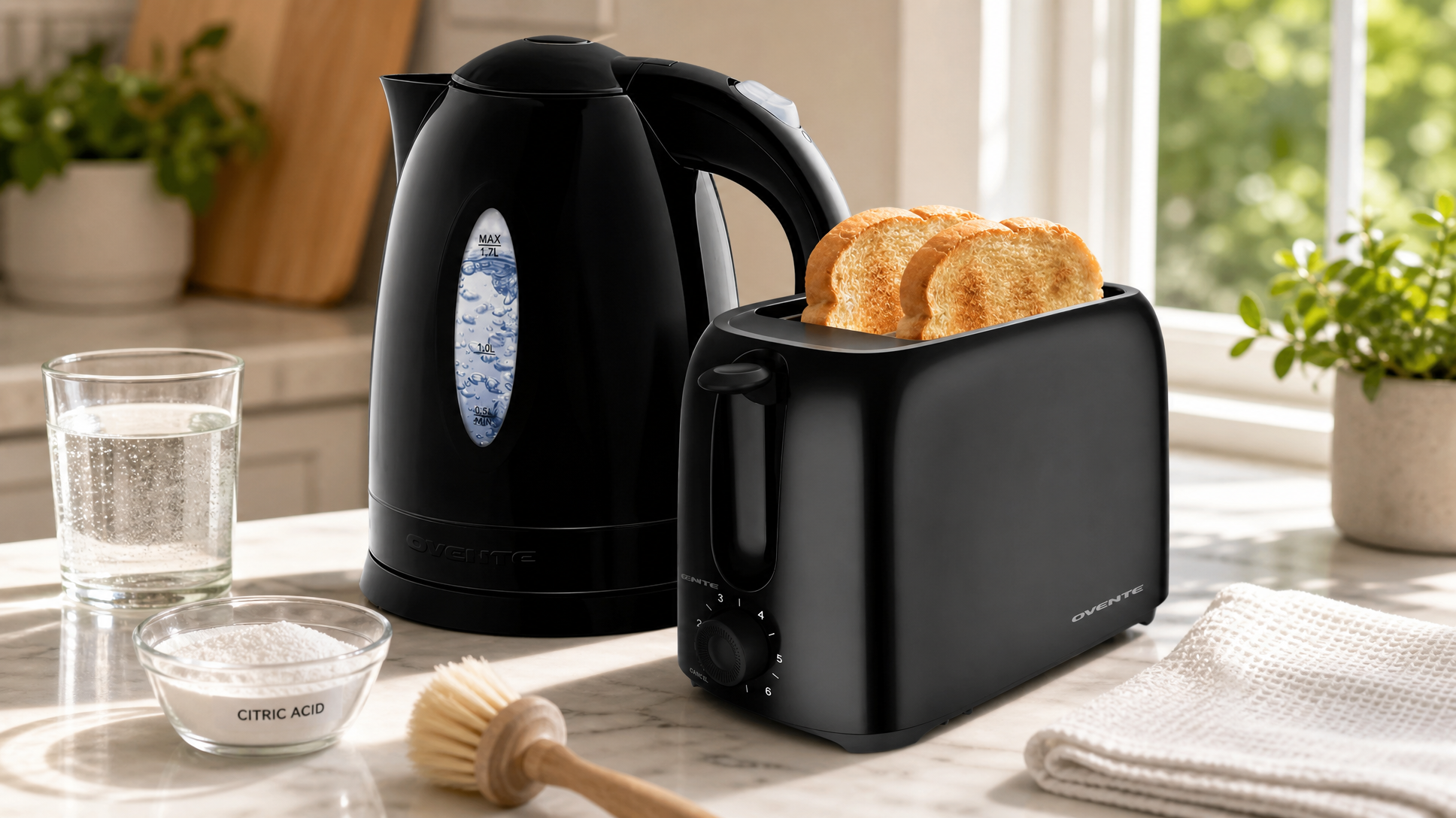
- Electric Kettle: Quickly boils water for drinks or cooking.
- Coffee Maker: A simple drip machine suits coffee lovers well.
- Hand Mixer: Optional but handy for baking without taking up much space.
Pick appliances based on your cooking habits to avoid clutter.
Storage Solutions: Maintaining Order in a Small Kitchen
An organized kitchen saves time and stress. Essential storage items include:
- BPA-free or Glass Food Containers: For safe, odor-free storage.
- Zip-Top Bags, Foil, and Parchment Paper: Useful for wrapping, storing, and baking.
- Spice Racks or Drawer Inserts: Keep spices accessible and neat.
- Labels: Identify leftovers and ingredients to reduce waste.
- Trash and Recycling Bins: Maintain cleanliness efficiently.
Space-saving tips:
- Use vertical storage like wall shelves, magnetic strips, and hanging racks.
- Opt for collapsible or nesting tools to save drawer space.
- Consider expandable shelf organizers and under-cabinet baskets to maximize workspace.
Choosing Quality Over Quantity: Why It’s Worth the Investment
A handful of high-quality tools outperform a clutter of low-grade ones. Quality knives stay sharper, cookware distributes heat evenly, and durable utensils last longer.
Recommended brands well-suited to beginners include:
- Knives: Mercer, Victorinox, Cuisinart
- Cookware: Lodge (cast iron), T-fal, Tramontina (nonstick)
- Utensils and Tools: OXO, KitchenAid, Supoon (silicone spatulas)
- Small Appliances: Focus on brands with reliable reviews and warranties.
Thoughtful investment saves money and enhances your cooking experience.
The Bottom Line: Building Your Best Beginner Cooking Haven
Start your culinary journey right by prioritizing:
- Reliable chef’s and paring knives for versatile food prep.
- A core cookware set: 10-inch nonstick skillet, 2-quart saucepan, and Dutch oven.
- Small tools such as silicone spatulas, tongs, peelers, and whisks.
- Accurate measuring tools including cups, spoons, and a kitchen scale.
- Space-efficient storage and appliances customized to your cooking style.
Aim for multi-functional items and efficient planning rather than bulk. Embrace this “capsule kitchen” approach and transform your cooking space into a manageable, enjoyable environment where every meal is a pleasure to prepare.
FAQ
What cookware is essential for a beginner cook?
Start with a versatile 10-inch nonstick skillet, a 2-quart saucepan, and a Dutch oven or large stockpot. These three pieces cover most stovetop and oven cooking needs.
Which knives should I buy first?
Focus on an 8-inch chef’s knife and a paring knife for most kitchen tasks. Add a serrated bread knife if you often prepare fresh bread.
Are plastic cutting boards better than wooden ones?
Plastic cutting boards are easier to sanitize, dishwasher safe, and less prone to retaining odors or stains, making them ideal for beginners.
What small tools are must-haves in a new kitchen?
Silicone spatulas, whisks, tongs, peelers, graters, ladles, slotted spoons, and a reliable can opener are great starters that cover a range of tasks.
How important is investing in quality kitchen tools?
High-quality tools last longer, perform better, and make cooking easier and more enjoyable—saving you money and hassle in the long run.
For beginner kitchen essentials recommendations, check out Curivue’s kitchen essentials guide for further insights.