Cart
0

Minimalist Kitchen Essentials: How to Equip a Functional Kitchen in 2026
Discover the essential tools and strategies to create a minimalist kitchen that maximizes efficiency, saves space, and simplifies everyday cooking in 2026.
Key Takeaways
- Focus on versatile, high-quality cookware and utensils to cover 90% of your cooking needs.
- Invest in smart storage solutions like vertical racks, magnetic strips, and nesting cookware to save space.
- Maintain your tools properly to extend their lifespan and ensure kitchen efficiency.
- Select multi-purpose appliances to reduce clutter without sacrificing functionality.
- Embrace measurement and precision tools for better cooking outcomes.
Table of Contents
- Introduction: Building a Minimalist Kitchen That Functions Well
- Core Cookware: The Backbone of a Minimalist Kitchen
- Multi-Use Utensils: Celebrate Versatility and Ergonomics
- Smart Storage Solutions for a Minimalist Kitchen
- Addressing Kitchen Tools' Maintenance: Prolonging Tool Lifespans
- Crucial Kitchen Appliances for Minimalist Cooking
- Precise Measurement and Cooking Precision
- Multi-Functional Tools: Maximizing Utility, Minimizing Complexity
- Conclusion: Constructing Your Ultimate Minimalist Kitchen in 2026
Introduction: Building a Minimalist Kitchen That Functions Well
Starting or upgrading your kitchen in 2026 can feel overwhelming with the countless gadgets and cookware options available. However, the key is not to accumulate every tool, but to thoughtfully select a streamlined set of minimalist kitchen essentials that cover nearly all daily cooking tasks. This guide focuses on quality, efficiency, and space-conscious design to help you build a kitchen that’s both functional and joyfully simple, whether you live in a spacious home or a cozy apartment.
1. Core Cookware: The Backbone of a Minimalist Kitchen
Investing in a handful of high-grade cookware pieces forms the foundation of your minimalist kitchen.
Chef’s Knife: The Ultimate Kitchen Essential
A chef’s knife is the most versatile tool, capable of chopping, slicing, and dicing with precision. Experts recommend:
- Choosing an 8-inch blade for the perfect balance of control and power.
- Prioritizing an ergonomic handle with a full tang for durability.
- Regularly sharpening and honing to maintain sharpness and safety.
While a serrated bread knife and paring knife are helpful additions, beginning with a quality chef’s knife is sufficient.
Sturdy Cutting Boards
Protect your counters and knife edges with durable cutting boards:
- Wood or bamboo boards provide a firm chopping surface and longevity.
- Use separate boards to prevent cross-contamination between meats and produce.
- Choose boards with juice grooves for handling moist ingredients.
For economical and practical options, the OXO Good Grips plastic cutting board is an excellent choice.
Essential Cookware Selection
Focus on these three cookware pieces to cover nearly every cooking need:
- Non-stick skillet (~10 inches): Ideal for eggs, pancakes, and sautéing.
- 2-quart saucepan: Perfect for sauces, grains, and small pasta portions.
- Dutch oven or large stockpot: Great for soups, stews, roasting, and even baking bread.
Cast iron skillets, praised by America’s Test Kitchen, offer superior heat retention and versatility, becoming naturally non-stick with proper care.
2. Multi-Use Utensils: Celebrate Versatility and Ergonomics
Avoid clutter by choosing utensils that are multi-purpose and ergonomic.
Essential Silicone Utensils
Silicone utensils withstand high heat, protect cookware surfaces, and clean easily. A typical set includes:
- Slotted turner
- Spaghetti server
- Solid and slotted spoons
- Ladle
Compact designs like the Joseph Joseph nesting utensil sets save drawer space and are highly ergonomic.
Other Imperative Utensils
- Whisk for blending batters and sauces
- Tongs with cushioned grips for secure handling
- Peeler for vegetables and fruits
- Durable manual can opener
- Colander for straining and washing
Keeping the utensil collection simple reduces clutter and improves accessibility.
3. Smart Storage Solutions for a Minimalist Kitchen
Efficient storage is key, especially in small or urban kitchens. Use space wisely to maintain organization.
Vertical and Magnetic Storage
- Install wall-mounted shelves or racks for spices, cookware, and utensils.
- Use a magnetic knife strip to free drawer space and keep knives accessible.
- Hang mugs, utensils, and oven mitts from hooks installed beneath cabinets or walls.
These methods declutter counter and drawer space while improving visibility.
Nesting and Stackable Cookware
- Choose pots, pans, and mixing bowls designed to nest and stack efficiently.
- Utilize collapsible strainers and measuring cups for compactness.
- Store leftovers in stackable BPA-free glass or plastic containers to maintain order.
4. Addressing Kitchen Tools' Maintenance: Prolonging Tool Lifespans
The longevity of your kitchen essentials depends on proper maintenance.
Knife Management
- Hand wash knives with mild soap and dry immediately to prevent rust.
- Use a honing steel regularly to keep edges aligned.
- Sharpen professionally or with a stone every few months or as required.
Cookware Upkeep
- Avoid the dishwasher for cast iron and non-stick pans; hand wash gently.
- Season cast iron skillets periodically to maintain their natural non-stick surface.
- Ensure cookware is fully dry and stacked properly to avoid scratches.
Routine care protects your investment and keeps your kitchen operating smoothly.
5. Crucial Kitchen Appliances for Minimalist Cooking
Select appliances based on practical use and spatial efficiency.
Multi-Purpose Appliances
- Pressure cooker & air fryer combo: Devices like the Ninja Foodi or Instant Pot Duo Crisp reduce countertop clutter by replacing multiple gadgets.
- Portable induction cooktop: Offers versatile cooking options, especially in limited spaces.
Essential Compact Appliances
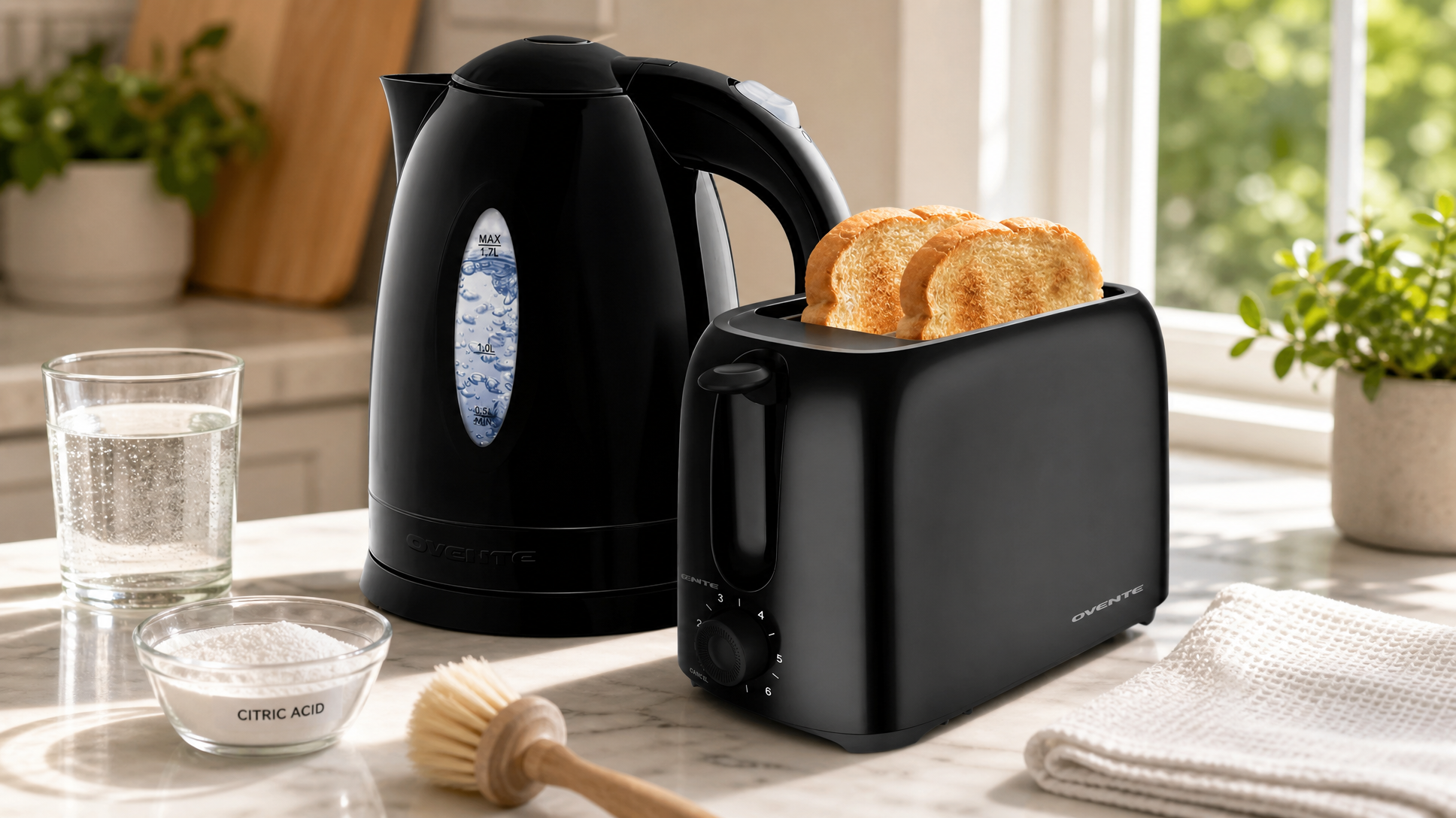
- Electric kettle for quick boiling.
- Coffee maker for daily freshness.
- Blender for smoothies, soups, and sauces.
- Toaster oven as a compact alternative for baking and reheating.
Avoid accumulating seldom-used appliances to maintain a clutter-free kitchen.
6. Precise Measurement and Cooking Precision
Accuracy is vital for great cooking and baking results. Equip yourself with:
- Measuring cups and spoons with clear markings.
- A digital kitchen scale (e.g., Escali) for consistency.
- An instant-read thermometer (such as the ThermoWorks Thermapen ONE) to ensure safe cooking temperatures.
These tools boost your confidence and recipe success rate.
7. Multi-Functional Tools: Maximizing Utility, Minimizing Complexity
Select tools that serve multiple purposes to streamline your kitchen:
- Fish spatula: Excellent for delicate flipping, sautéing, and serving.
- 7-in-1 grater: Combines slicing, shredding, grating, and julienning functions.
- Silicone baking mats: Durable, reusable alternatives to parchment paper that ease cleanup.
Using such versatile items minimizes the need for extra specialty gadgets, saving space and money.
Conclusion: Constructing Your Ultimate Minimalist Kitchen in 2026
Creating a minimalist kitchen is about smart choices, not quantity. Focus on these key principles:
- Invest in quality over sheer number of items.
- Choose adaptable, multi-use tools that simplify cooking.
- Utilize innovative storage solutions to keep your space organized.
- Maintain your equipment diligently to ensure longevity.
- Select appliances thoughtfully based on your cooking habits and available space.
By following expert advice from authorities like Serious Eats, America’s Test Kitchen, and Gourmet Kitchenworks, you can build a kitchen that gracefully supports both everyday meals and special occasions. Embrace this intelligent, straightforward, and sustainable kitchen setup in 2026 — your cooking space will thank you for years to come.