Cart
0
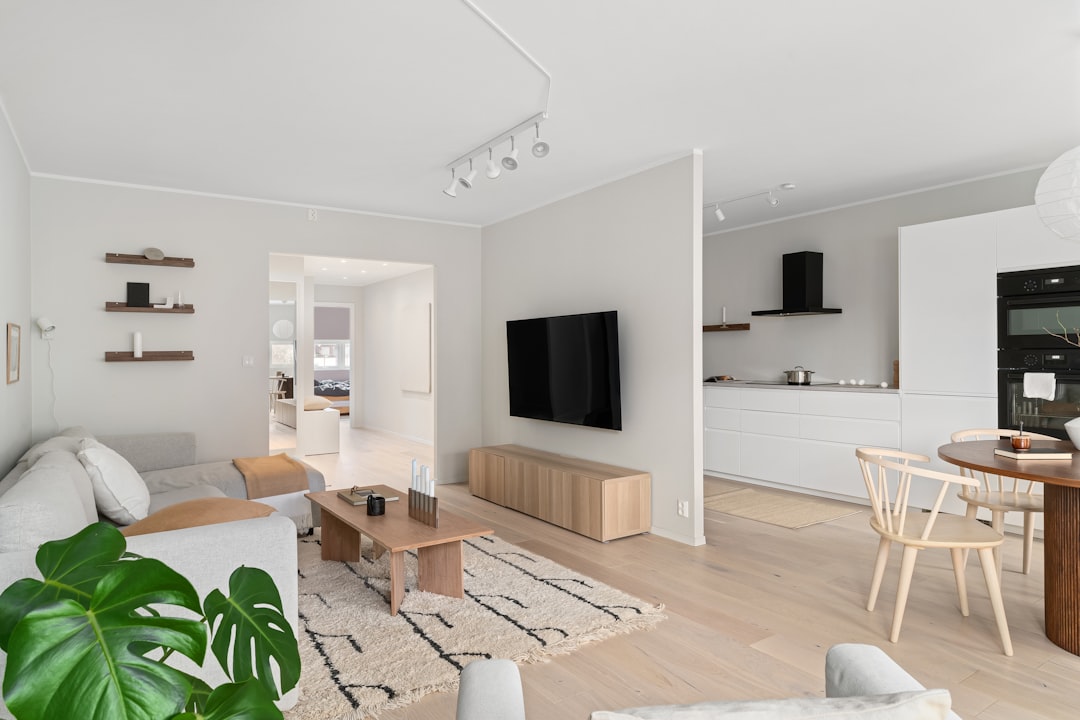
Home Renovation Trends 2026: Smart, Sustainable, and Stylish Upgrades for Every Home
Discover how 2026 is shaping the future of home renovation with eco-friendly materials, advanced smart technology, and warm, expressive design. This guide offers practical ideas to create spaces that balance sustainability, aesthetics, and everyday comfort.
Key Takeaways
- Eco-conscious renovation focuses on reclaimed wood, FSC-certified timber, and low-VOC paints to enhance sustainability and indoor air quality.
- Smart home systems including energy monitoring, heat pump electrification, and sensor-driven LED lighting improve efficiency and convenience.
- Bathrooms become spa-like with sculptural showers, natural stone surfaces, and water-wise fixtures.
- Biophilic design integrates natural light, greenery, and clean air strategies to boost wellness at home.
- Color palettes shift to earthy, expressive hues balanced by natural textures for warm, layered interiors.
- Flexible layouts and indoor-outdoor connectivity support evolving lifestyles and multifunctional living spaces.
Table of Contents
- 1. Sustainable Structure & Finishes: The Core of Eco-Friendly Renovations
- 2. Smart Home Technology and Energy Efficiency
- 3. Bathrooms: Spa-Like, Efficient, and Sculptural Spaces
- 4. Biophilic Design and Wellness
- 5. Color Palette and Surfaces: Warm, Earthy, and Bold Hues
- 6. Textiles, Art, and Decor: Craft and Personal Expression
- 7. Layout and Function: Adaptable, Multifunctional Living Spaces
- Final Thoughts
- FAQ
1. Sustainable Structure & Finishes: The Core of Eco-Friendly Renovations
Sustainability is at the heart of 2026 home renovations. Homeowners prioritize materials and finishes that actively reduce environmental impact while enhancing indoor health and long-term durability.
Reclaimed and FSC-Certified Wood Take Center Stage
Using reclaimed wood in accents like walls, beams, and shelves combines character with eco-consciousness by reducing demand for new deforestation. When fresh wood is necessary, selecting FSC-certified timber ensures responsible sourcing and biodiversity preservation.
Health-Friendly Paints: Low-VOC and Plant-Based Options
Prioritizing indoor air quality means choosing low-VOC and plant-based paints that lower airborne toxins. These safer alternatives especially benefit families and those with sensitivities by creating cleaner, fresher spaces.
Locally Sourced Natural Materials
Leveraging locally sourced stone, tile, wood, and textiles reduces transportation emissions and uplifts regional economies. The authentic character of local materials also lends spaces a unique, grounded aesthetic.
- Enhances indoor air quality
- Brings natural warmth and texture
- Supports environmental stewardship
- Increases long-term home value
Explore more on smart sustainability at InvoiceASAP: Smart & Sustainable Remodeling Trends.
2. Smart Home Technology and Energy Efficiency: Practical Innovation for Everyday Living
Intelligent home systems in 2026 deliver real-world benefits beyond novelty, integrating seamlessly to reduce energy use and boost comfort.
Smarter Energy Management
Today’s renovations feature smart thermostats, automated lighting, and real-time energy monitoring. These connect to HVAC and solar setups, allowing homeowners to optimize consumption from anywhere.
Heat Pump Electrification with Mini-Split Systems
Mini-split heat pumps efficiently handle heating and cooling, replacing traditional systems. Early consultation is recommended to assess home wiring and structural needs for smooth upgrades.
LED Upgrades With Sensor-Driven Efficiency
Switching to LED lighting combined with smart dimmers or motion sensors enhances ambiance and cuts energy use, adapting illumination as needed without sacrificing style.
Insulation and Glazing for Thermal Integrity
High-performance insulation and double or triple-glazed windows complement tech upgrades by reducing heat loss, lowering bills, and creating quiet, consistent climates throughout the year.
Discover more at JS Brown: What’s Next in Design-Build for 2026.
3. Bathrooms: Spa-Like, Efficient, and Sculptural Spaces
In 2026, bathrooms evolve into serene retreats combining beauty with efficiency and sculptural design.
Statement Showers: Freestanding and Walk-In
Open and airy, freestanding or walk-in showers create luxury with flexible configurations, enhanced by natural light and bold architectural details.
Natural Stone and Warm Metal Finishes
Combining tactile surfaces like quartzite, granite, or stone-inspired materials with metals such as brushed brass or bronze brings sophisticated warmth to bathroom spaces.
Water-Wise Fixtures
Introducing low-flow faucets, water-saving toilets, and eco-conscious showerheads reduces water usage without sacrificing comfort, aligning with sustainability goals.
Learn more at Strongwood: 2026 Trends in Construction and Design.
4. Biophilic Design and Wellness: Bringing Nature Inside
Homes prioritize well-being by connecting occupants with nature through light, greenery, and air quality improvements.
Letting the Light In
Designs maximize natural light with larger windows, skylights, and slim-framed doors, improving mood and minimizing reliance on artificial illumination.
Living Green: Plants and Vertical Gardens
Indoor plants, green walls, and herb planters enhance air quality, add tranquility, and create seamless indoor-outdoor connections.
Natural Textures That Soothe
Materials like wool throws, linen curtains, stone surfaces, and jute rugs add tactile warmth, layering comfort into everyday living.
Celebrate the season with savings — get 5% off your order using code EXCLUSIVE5 at checkout
Clean Air Through Smart Ventilation
Advanced ventilation systems and air purifiers reduce indoor pollutants, fostering healthier environments.
Explore further insights at Livingetc: Renovation Resolutions for a Greener Home.
5. Color Palette and Surfaces: Warm, Earthy, and Bold Hues for 2026
The 2026 color story shifts to richer, nature-inspired tones paired with subtly textured surfaces for inviting, sophisticated interiors.
Nature-Inspired Palettes
Colors like dusty blue, muddy green, caramel, ochre, and artichoke green infuse spaces with emotional depth and seasonal warmth.
Blending Color with Natural Surfaces
Bolder hues are balanced by wood grains, textured plaster, and handcrafted tiles to achieve relaxed, layered environments.
Strategic Color Applications
Accent walls and cabinetry serve as perfect canvases for expressive color without overwhelming main spaces.
Find inspiration at Neil Kelly: 2026 Home Design Trends.
6. Textiles, Art, and Decor: Craft and Personal Expression
Home décor embraces individuality through handcrafted, textured pieces that tell stories and connect with tradition.
Handcrafted Textiles for Texture and Meaning
Look for hand-dyed throws, block-printed pillows, woven rugs, and custom curtains that bring warmth and uniqueness to rooms.
Big, Bold, Affordable Art
Oversized art prints provide dramatic focal points, adding personality without high investment.
Unique Accent Pieces
Ceramic vessels, hand-carved wooden objects, and woven baskets enrich interiors with texture and narrative.
More ideas available at JS Brown: What’s Next in Design-Build for 2026.
7. Layout and Function: Adaptable, Multifunctional Living Spaces
Modern homes demand flexibility, adapting spaces for shifting lifestyles and work-from-home realities.
Smart, Flexible Room Design
Rooms doubling as offices or guest rooms and clever built-in storage optimize square footage without expansion.
Seamless Indoor-Outdoor Living
Elements like bifold doors, expansive glazing, and cohesive materials extend living areas outdoors for wellness and entertaining ease.
Learn more from InvoiceASAP: Smart & Sustainable Remodeling Trends.
Final Thoughts: Designing Homes for Comfort, Style, and Sustainability in 2026
The 2026 home embodies authenticity, adaptability, and intention. Each choice—from earthy colors and artisan décor to intelligent systems and sustainable materials—is chosen for beauty, health, and efficiency. Whether refreshing a room or undertaking major renovations, these trends guide you toward a home that feels lived-in, well-crafted, and future-ready.
Ready to start your renovation journey? Explore natural furnishings, artisan décor, and sustainable essentials at Homenkitchenshop, where 2026 trends come to life.
FAQ
What are the most sustainable materials to consider in 2026 renovations?
Reclaimed wood, FSC-certified timber, low-VOC and plant-based paints, plus locally sourced natural stones and textiles are top sustainable choices that reduce environmental impact and improve indoor health.
How can smart home technology improve energy efficiency?
Smart thermostats, automated lighting, and real-time energy monitors work together to optimize heating, cooling, and lighting usage—cutting waste and lowering utility bills while providing remote control convenience.
What design features help bring nature inside the home?
Maximizing natural light with large windows, incorporating plants and living walls, using natural textures like wool and stone, and installing advanced ventilation for clean air all help foster biophilic well-being.
How can I make small spaces more functional?
Adopt flexible room designs such as home offices that convert into guest rooms, add built-in storage solutions, and create seamless indoor-outdoor transitions to visually and functionally expand your living areas.