Cart
0
Enhancing Your Living Room with Rugs: Placement, Materials, and Design Tips
Discover how rugs can transform your living space by defining areas, adding texture, and enhancing both comfort and style. This guide covers essential placement strategies, material choices, layering techniques, and color coordination for a perfectly styled living room.
Key Takeaways
- Rugs anchor seating arrangements and help structure open living spaces.
- Small rugs are versatile for zoning and adding character without overcrowding.
- Layering rugs introduces texture, depth, and seasonal adaptability to décor.
- Patterned and neutral rugs balance color schemes and guide visual flow.
- Rugs improve sound insulation and thermal comfort in living rooms.
Table of Contents
- 1. Rugs as Space Definers in Your Living Room
- 2. Textural Enhancement and Rug Layering for Depth and Coziness
- 3. Harmonizing Colors and Patterns with Rugs
- 4. Functional Prowess of Rugs: Sound Isolation and Thermal Comfort
- FAQ
1. Rugs as Space Definers in Your Living Room
Rugs go beyond floor coverings; they serve as essential anchors that organize and structure your living room layout.
Significance of Rugs in Defining Spaces
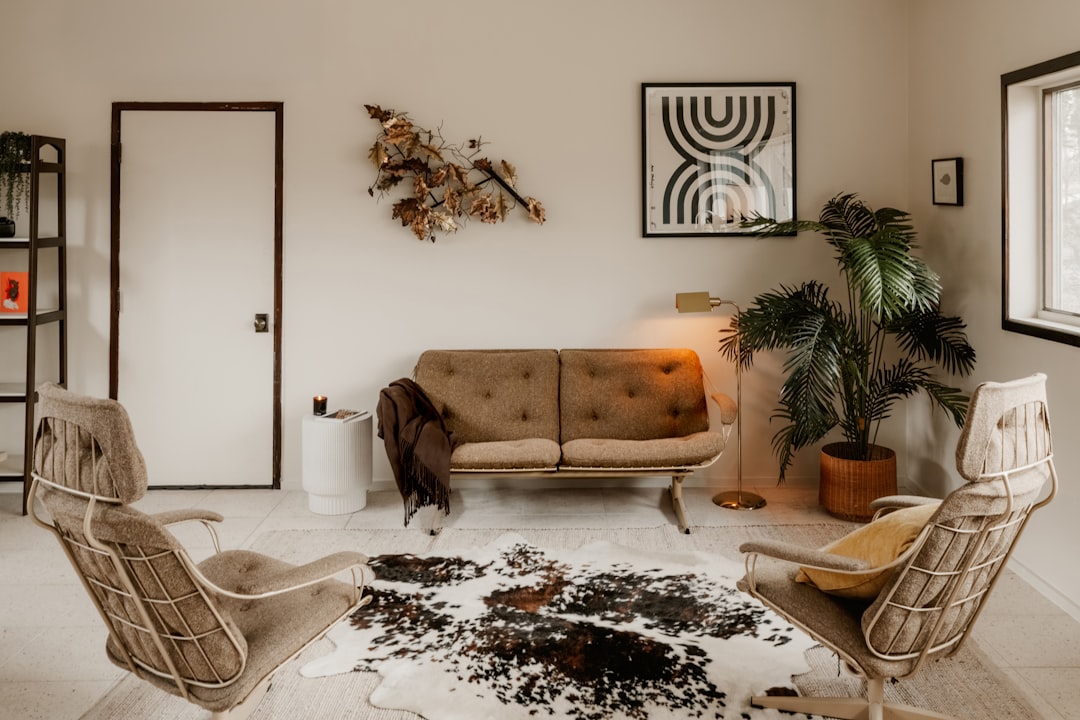
- Centralizing seating: Large area rugs placed beneath sofas and chairs unify the seating group into a cohesive feature.
- Facilitating flow: In open-plan homes, rugs subtly demarcate activity zones without imposing physical barriers.
- Avoiding clutter: Proper rug sizing keeps furniture arrangements harmonious and visually balanced.
Effort invested in coordinating rug and furniture placement yields a charming and consolidated living room ambiance.
Placing Small Rugs for Zoning
Small rugs offer flexible solutions, particularly in compact or multifunctional rooms:
- Use a 3x5 or 4x6 rug under a reading nook to create a cozy retreat.
- Runners positioned along hallways or bedside tables blend function with style.
- Place a small rug under coffee tables to introduce character without overwhelming the space.
Small rugs maintain sophistication and style where space constraints exist.
2. Textural Enhancement and Rug Layering for Depth and Coziness
Texture enriches the visual and tactile experience in living rooms, with rugs playing a starring role.
Transformative Power of Texture
- Plush, high-pile rugs: Add softness, warmth, and drama—great for intimate spaces.
- Flatwoven rugs: Deliver a sleek, casual look that’s easy to maintain and visually neat.
- Natural fibers like jute: Introduce earthy, organic textures that complement bohemian and casual styles.
Crafting Depth with Layered Rugs
Layering a smaller patterned rug over a larger neutral one is an elegant strategy to:
- Add dimension and a touch of sophistication.
- Incorporate multiple colors or patterns tastefully.
- Increase underfoot plushness and insulation.
- Easily refresh the space seasonally or for special events without replacing rugs.
“Layering rugs is like composing music for your floor—balancing tones and textures to create harmony and richness.”
Be mindful to avoid excessive pattern clashes to keep the space elegant and coordinated.
3. Harmonizing Colors and Patterns with Rugs
Rugs are versatile tools for uniting or highlighting your living room’s color palette and patterns.
Harnessing Rugs for Harmonious or Contrasting Palettes
- Muted rooms: Choose vibrant, patterned rugs to invigorate the space with focal interest.
- Color-rich decors: Select neutral rugs to provide balance and prevent visual overload.
- Creating flow with patterns: Opt for rugs with recurring motifs that guide the eye and define pathways.
Thoughtful rug selection enhances the overall design narrative, offering an inviting and coherent atmosphere.
4. Functional Prowess of Rugs: Sound Isolation and Thermal Comfort
Aside from aesthetic benefits, rugs significantly improve your living room’s comfort and usability.
Noise Dampening
Hard floors and open layouts tend to amplify noise. Thick, well-padded rugs — especially wool varieties — reduce echoes and foster a tranquil, quiet environment.
Cozy Warmth
- Rugs insulate cold surfaces like tiles and hardwood, creating a comfortably warm space.
- Layered rugs enhance insulation further, adding plushness underfoot and improved thermal protection.
Explore a curated collection of rugs to find those perfect for both style and function at Example Rugs.
FAQ
How do I choose the right rug size for my living room?
A good rule of thumb is that your rug should be large enough to fit under the front legs of your sofa and chairs. For open layouts, rugs can demarcate different zones—measure your seating area and select a rug that complements rather than overwhelms the space.
Can I layer rugs with different materials?
Yes, layering different textures—like a flatwoven jute rug topped with a plush wool rug—creates visual interest and tactile contrast. Just make sure the colors and patterns harmonize to avoid clashing.
Are rugs effective at noise reduction?
Absolutely. Thick rugs with dense fibers help absorb sound, significantly reducing echo and improving acoustics, especially in rooms with hardwood or tile flooring.
What rug materials are best for comfort and durability?
Wool rugs offer warmth, softness, and durability, making them excellent for living rooms. Natural fiber rugs like jute are durable but firmer underfoot, ideal for casual settings. Synthetic rugs can be durable and budget-friendly but may vary in comfort.